

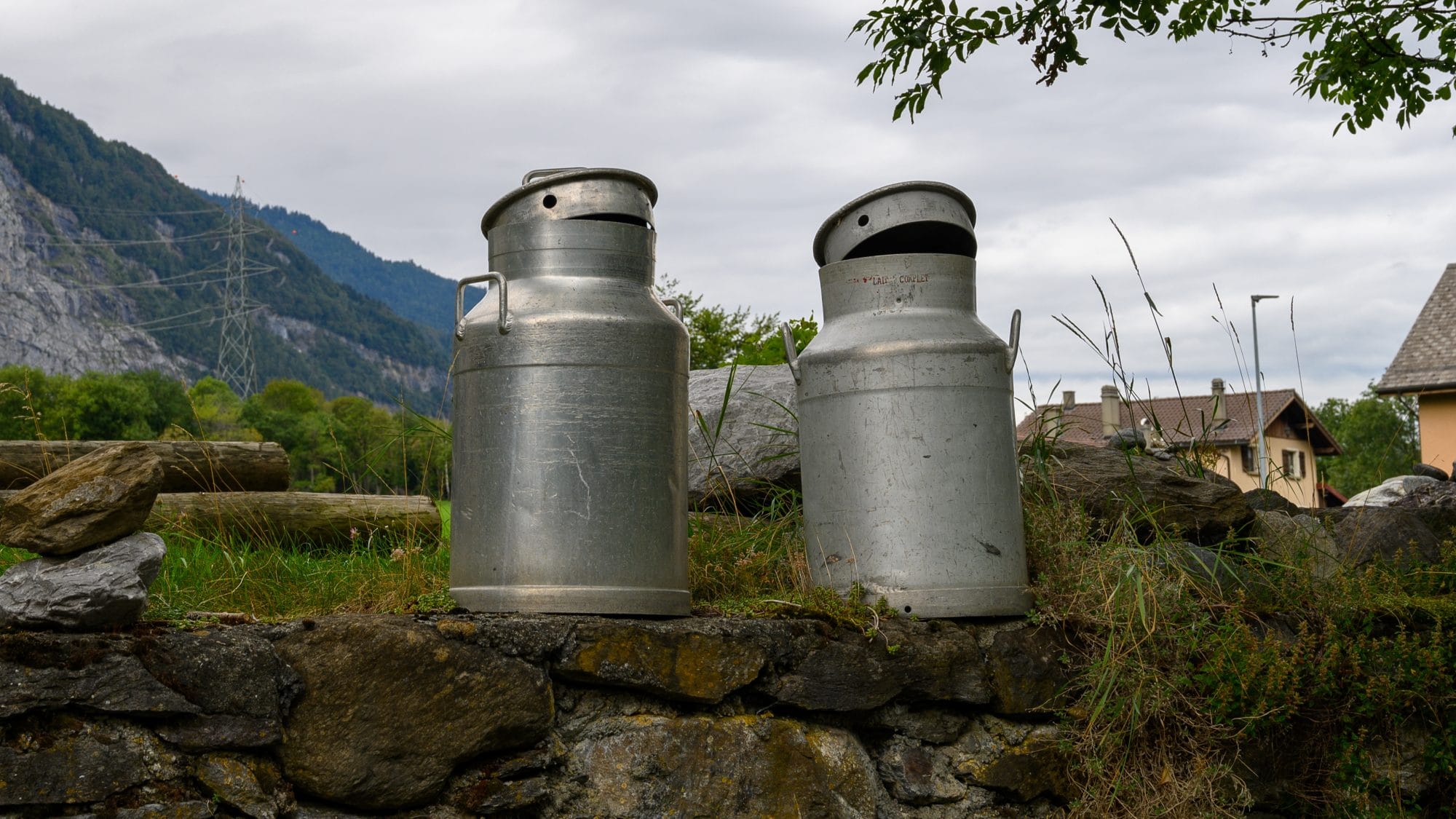
After several hard days, today was, at last, a relatively short day. 20km with a minor detour to see one of only two gorges listed as national heritage sites in Switzerland – at least according to worker in the florist selling tickets to see it – yes tickets were sold at a florist.
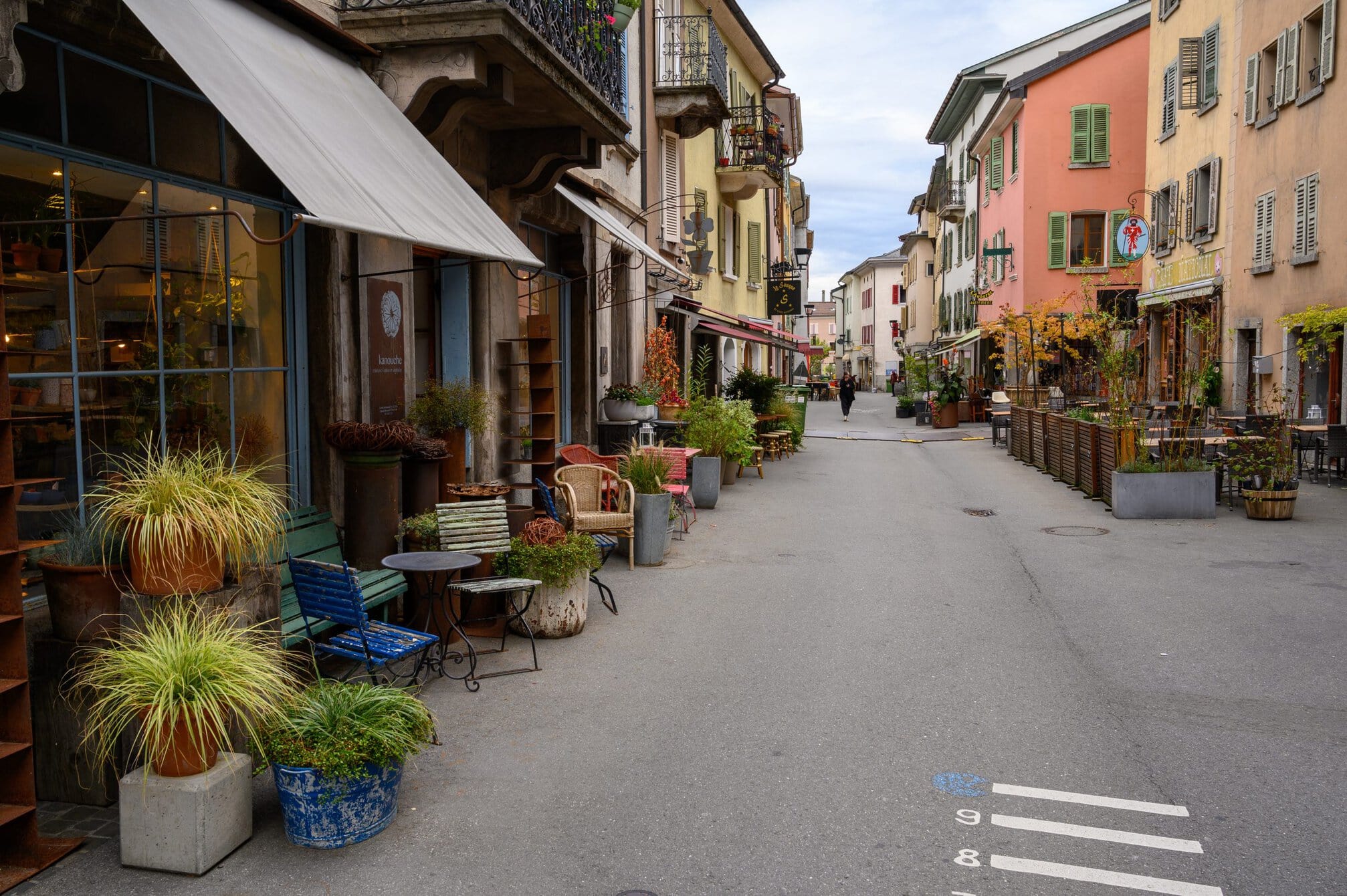
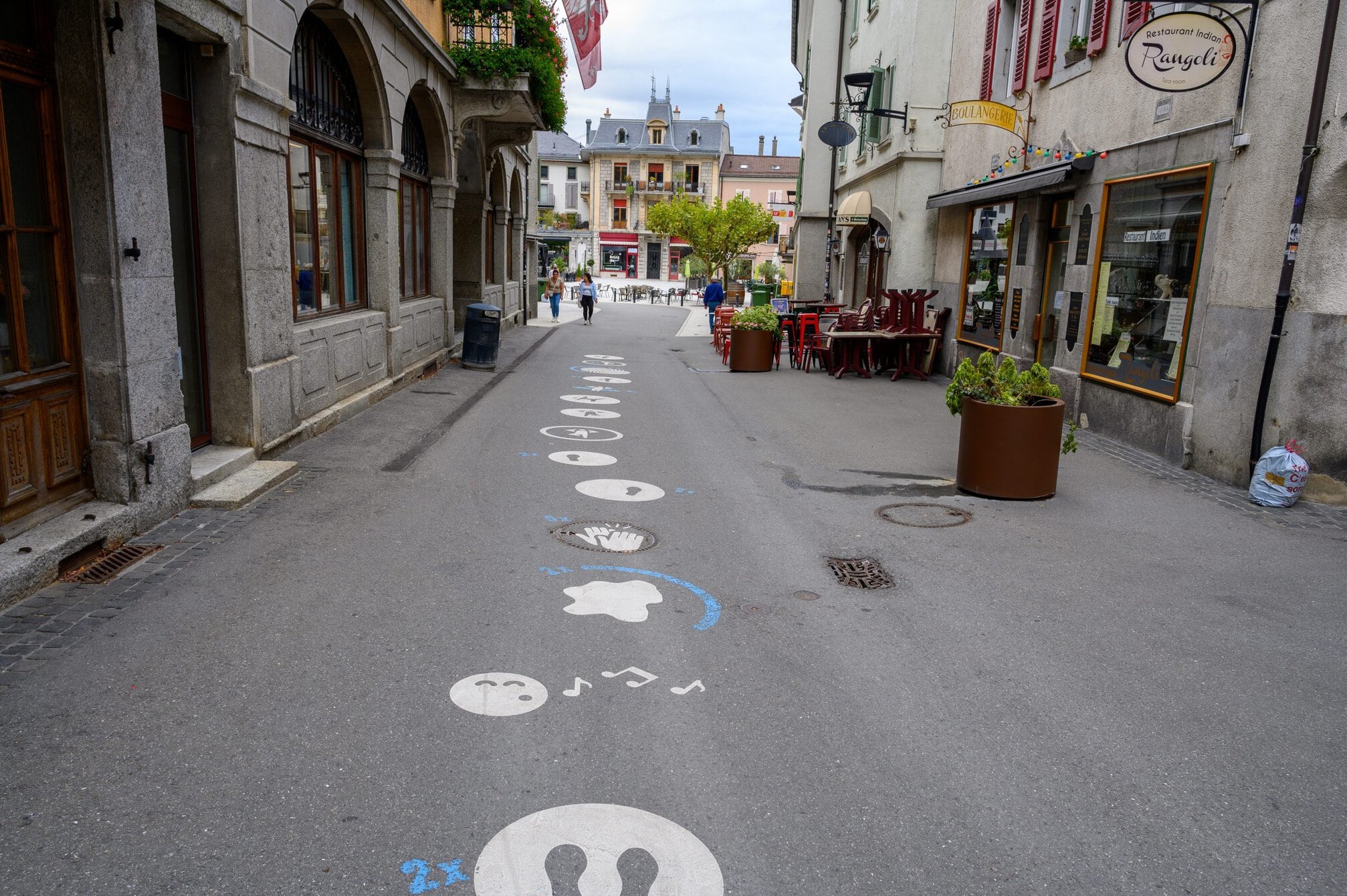
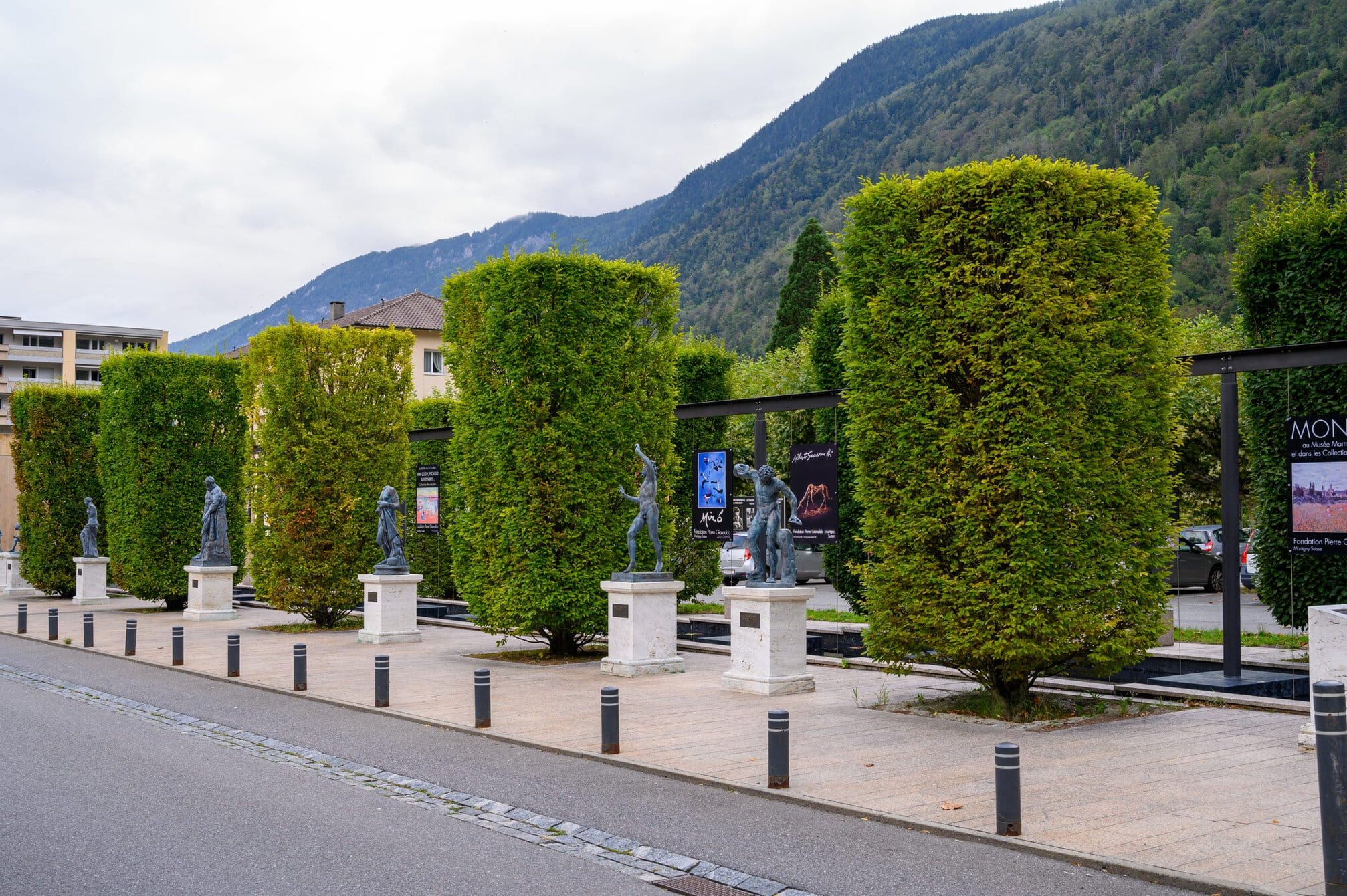
It was a cloudy and windy start to the day, and the wind was quite cold as I left the Youth Hostel. I walked along the main street of Martigny-Bourg and through the suburbs of Martigny, passing Roman remains and the world famous art and sculpture museum – the Foundation Pierre Gianadda. It was still closed as I walked past, but I could see some of the sculptures in the park.
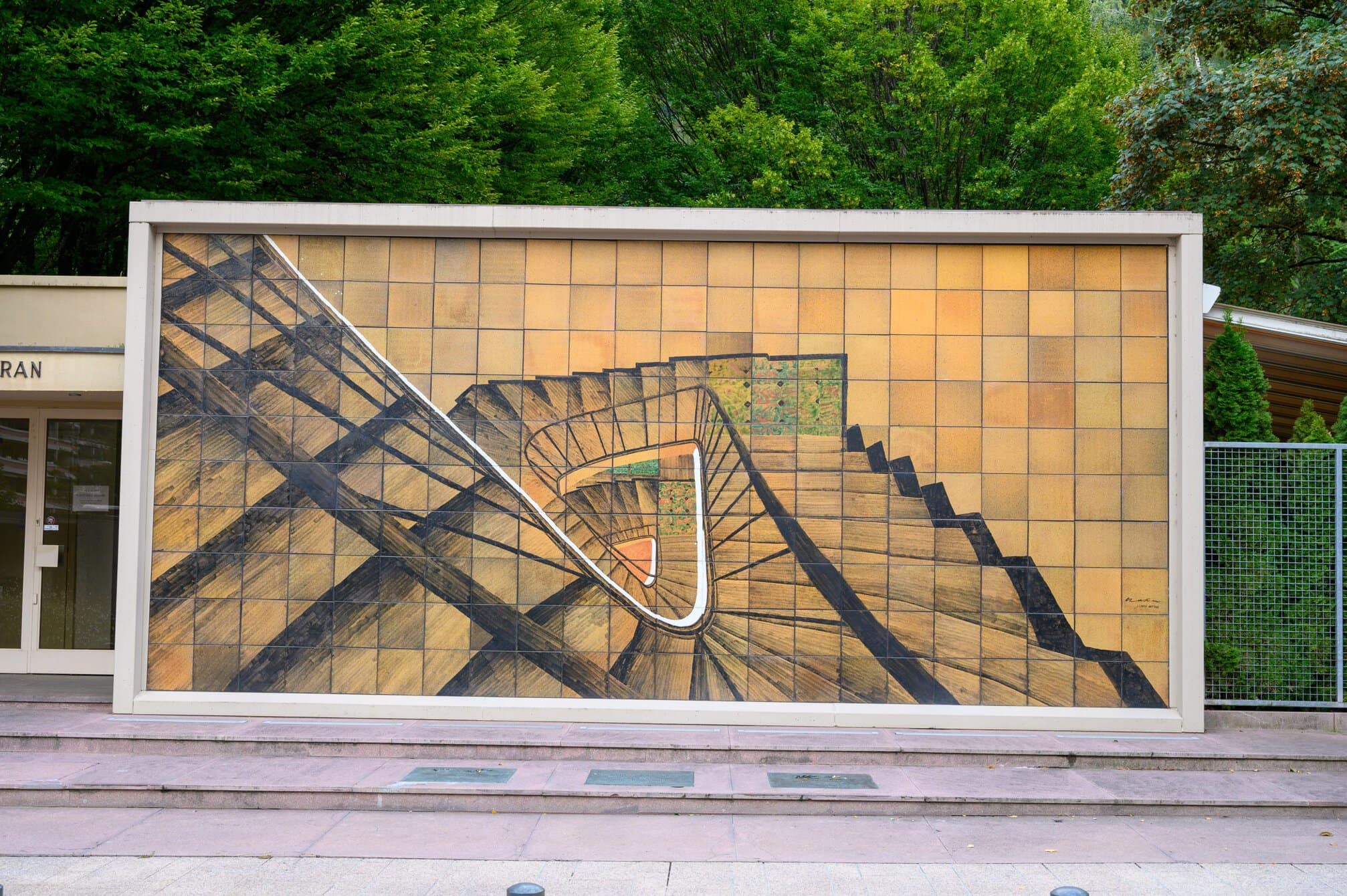
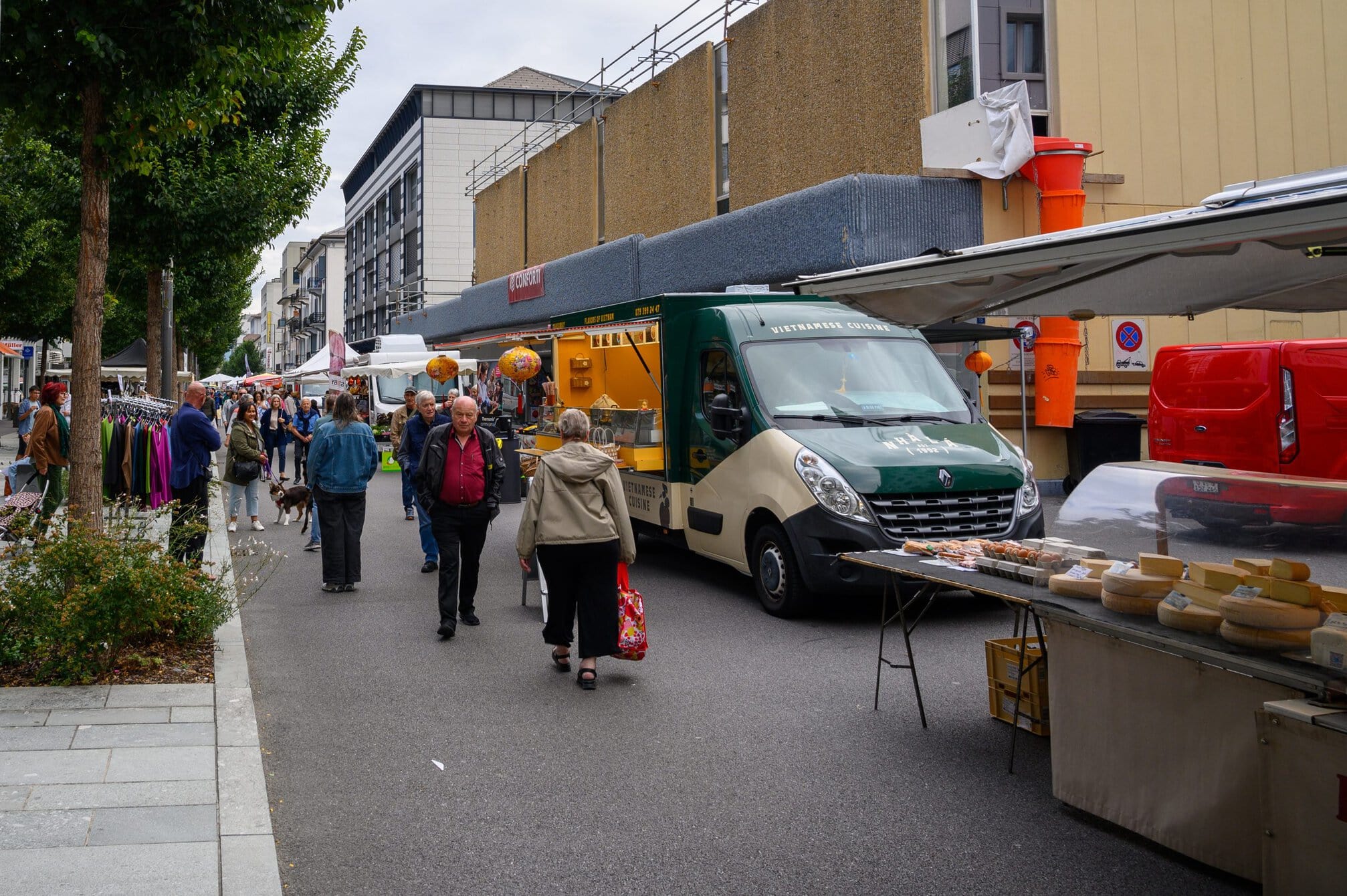
After the “heavy” walking days, my legs and body weren’t totally aligned. I walked through the centre of Martigny, busy with a market along the main shopping street, and lots of children playing on the main square. Before I’d left the town, I’d made three wrong turns.
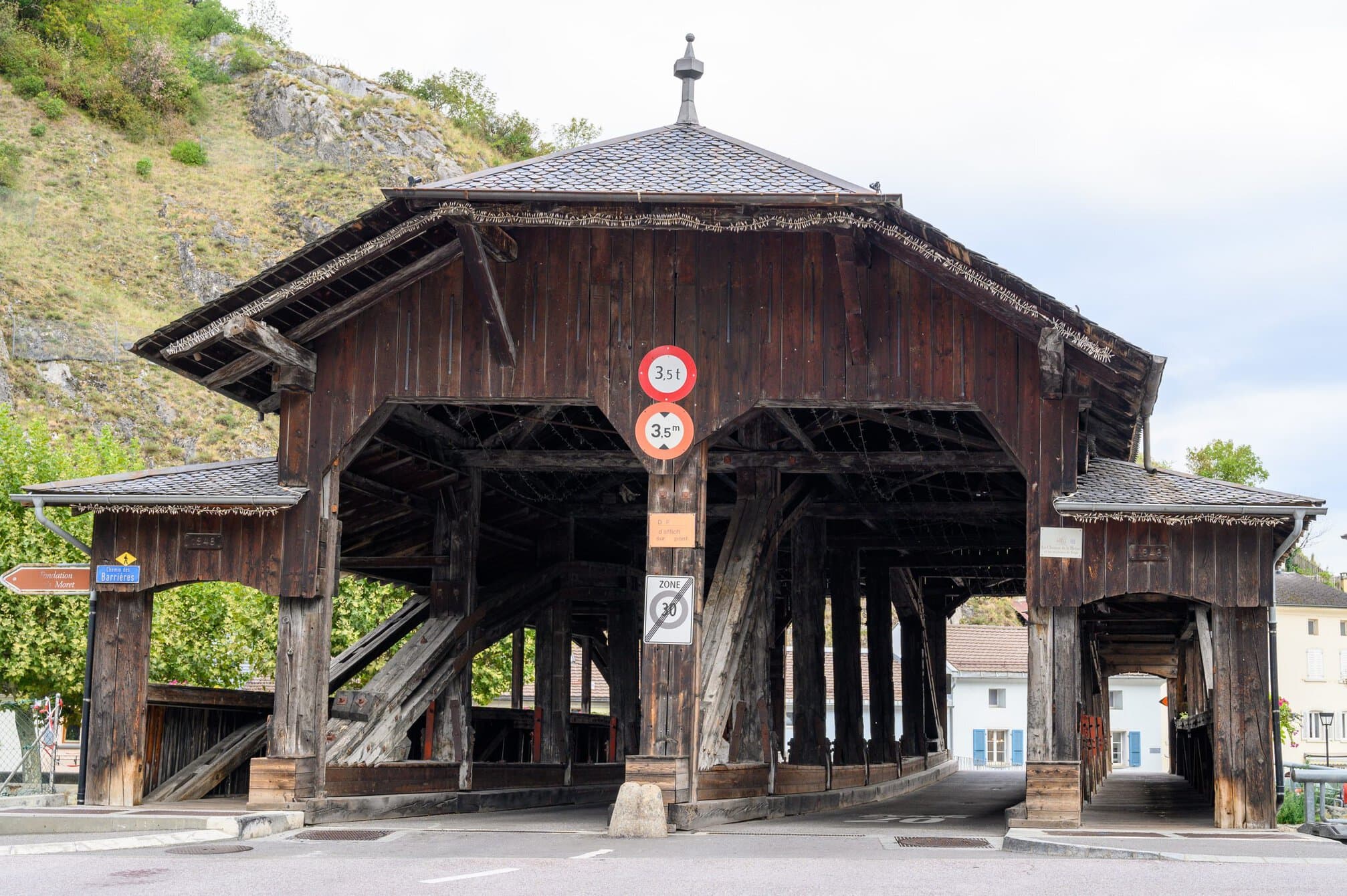
I finally managed to find the wooden bridge crossing the Dranse canal on the edge of town. Whilst walking through the outskirts, I felt something hit my hand, and looking down saw a green mark on my hand and camera. Somebody had thrown a green text marker out of a window that had hit me. A lady coming the other way had also seen it and when we looked around could see several markers on the ground. Odd, but luckily nothing serious had happened.
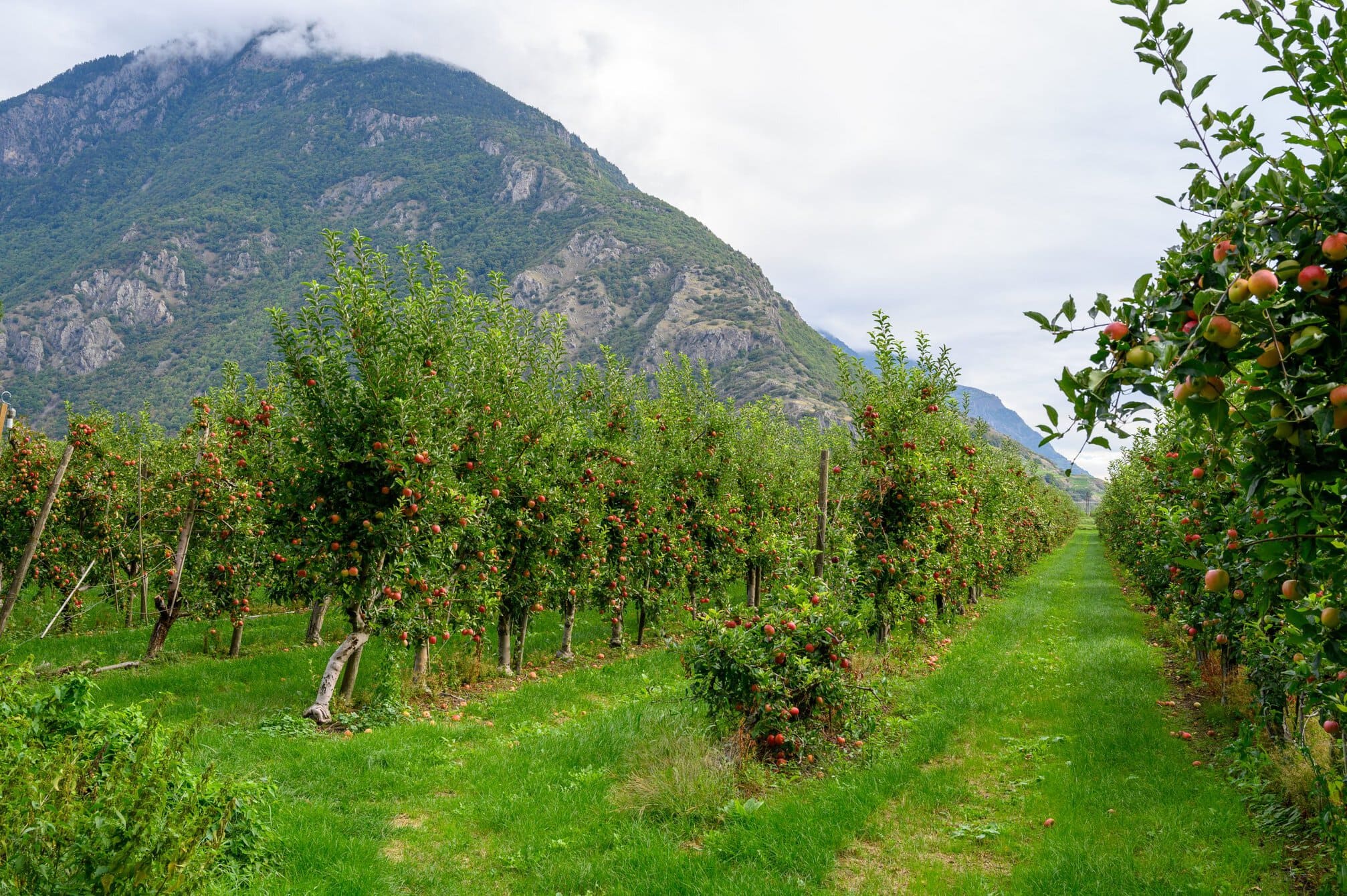
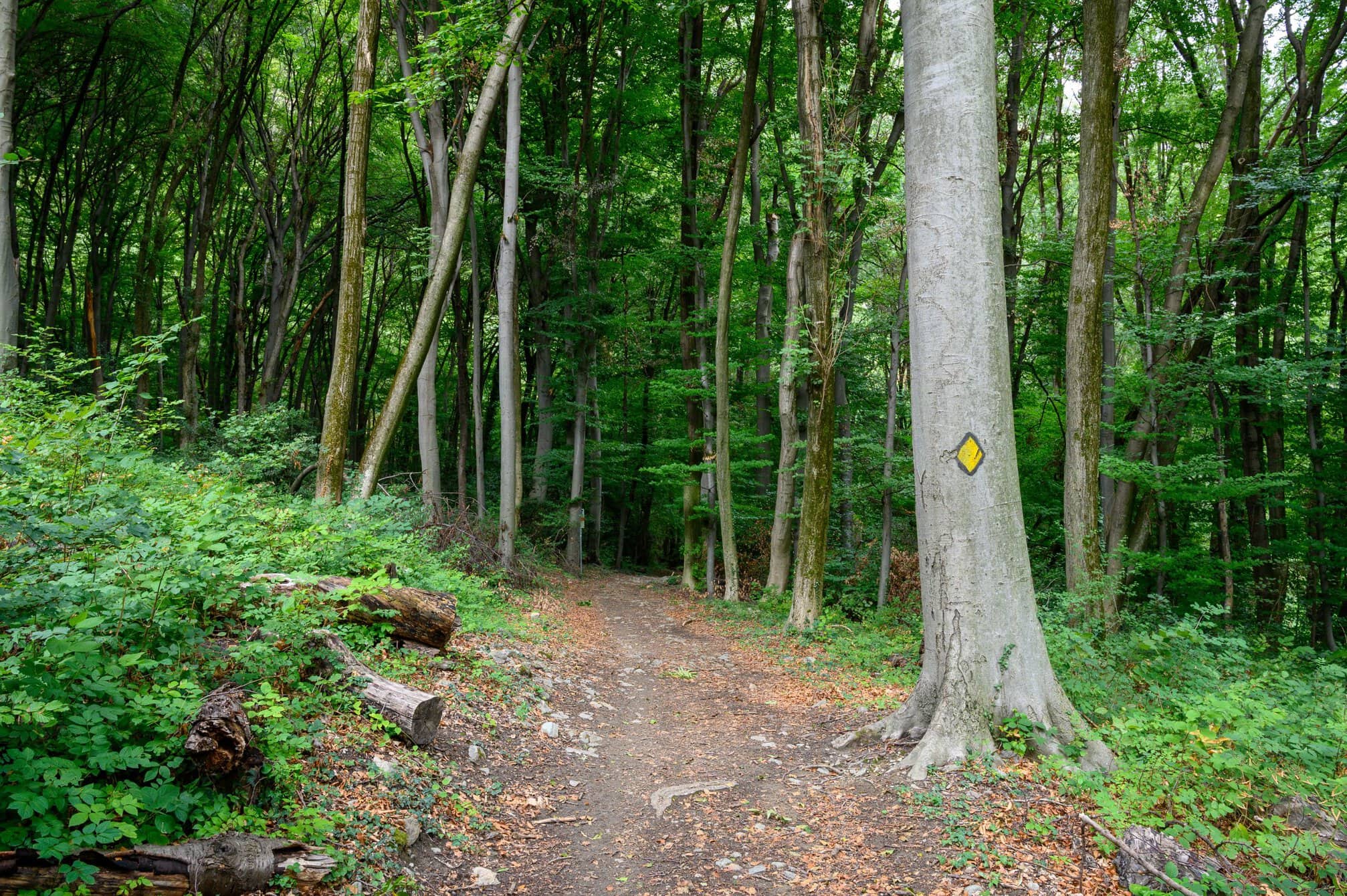
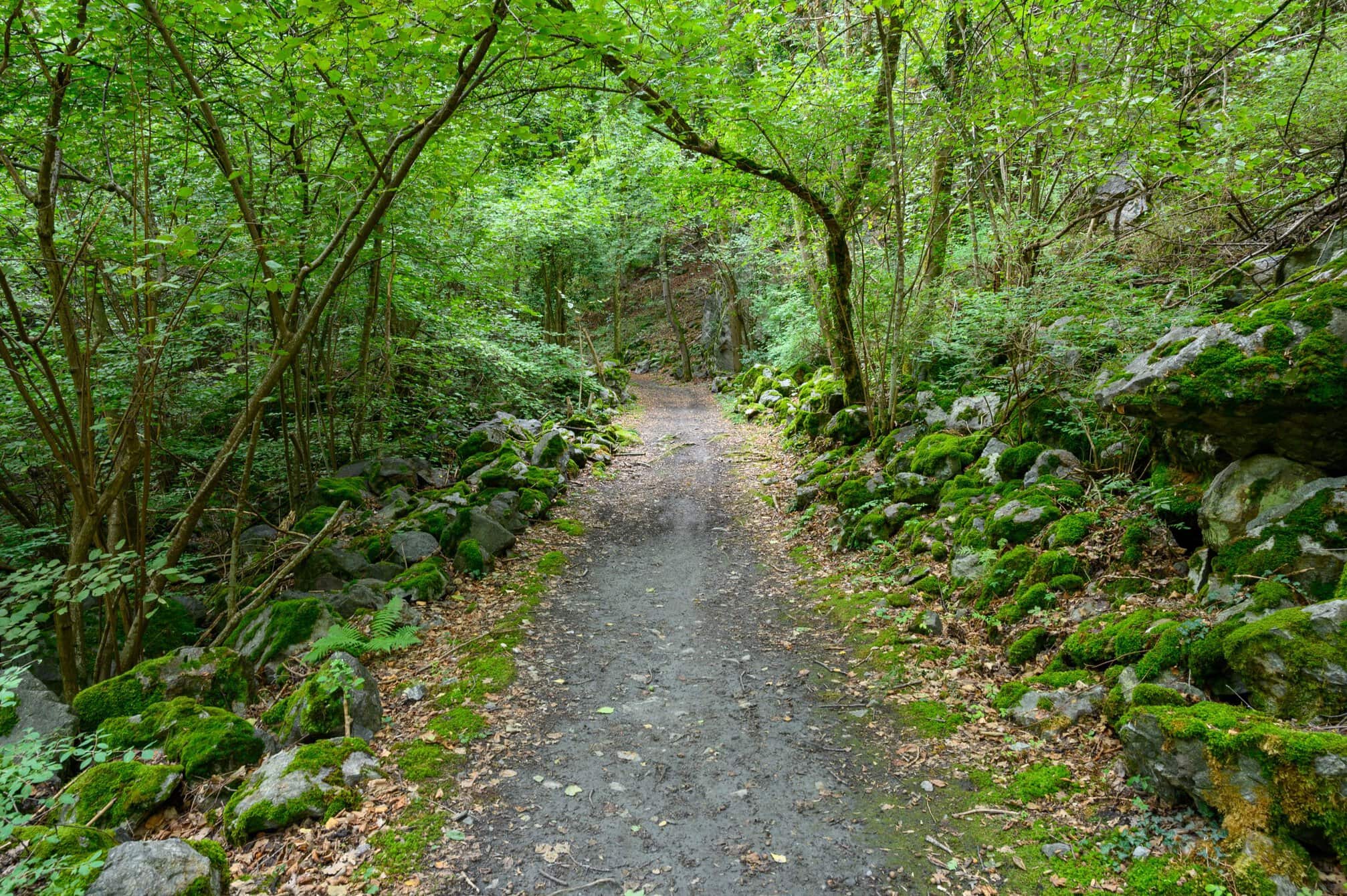
A short road stretch led me into a forest for several kilometers, emerging again at Vernayaz. I saw signs for Gorges du Trient, just as the Mont Blanc Express train stopped for those on board to see the start of the gorge.
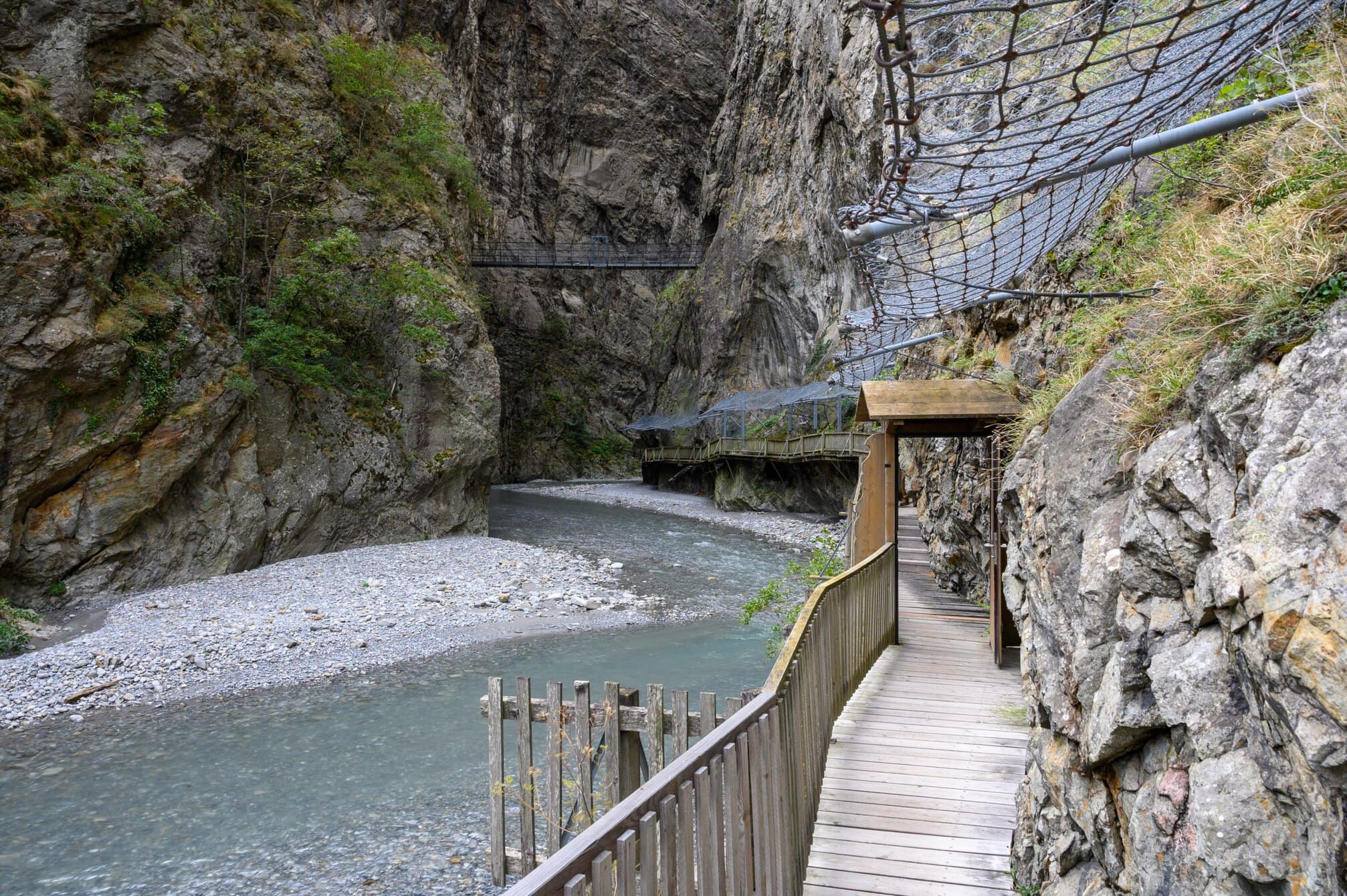
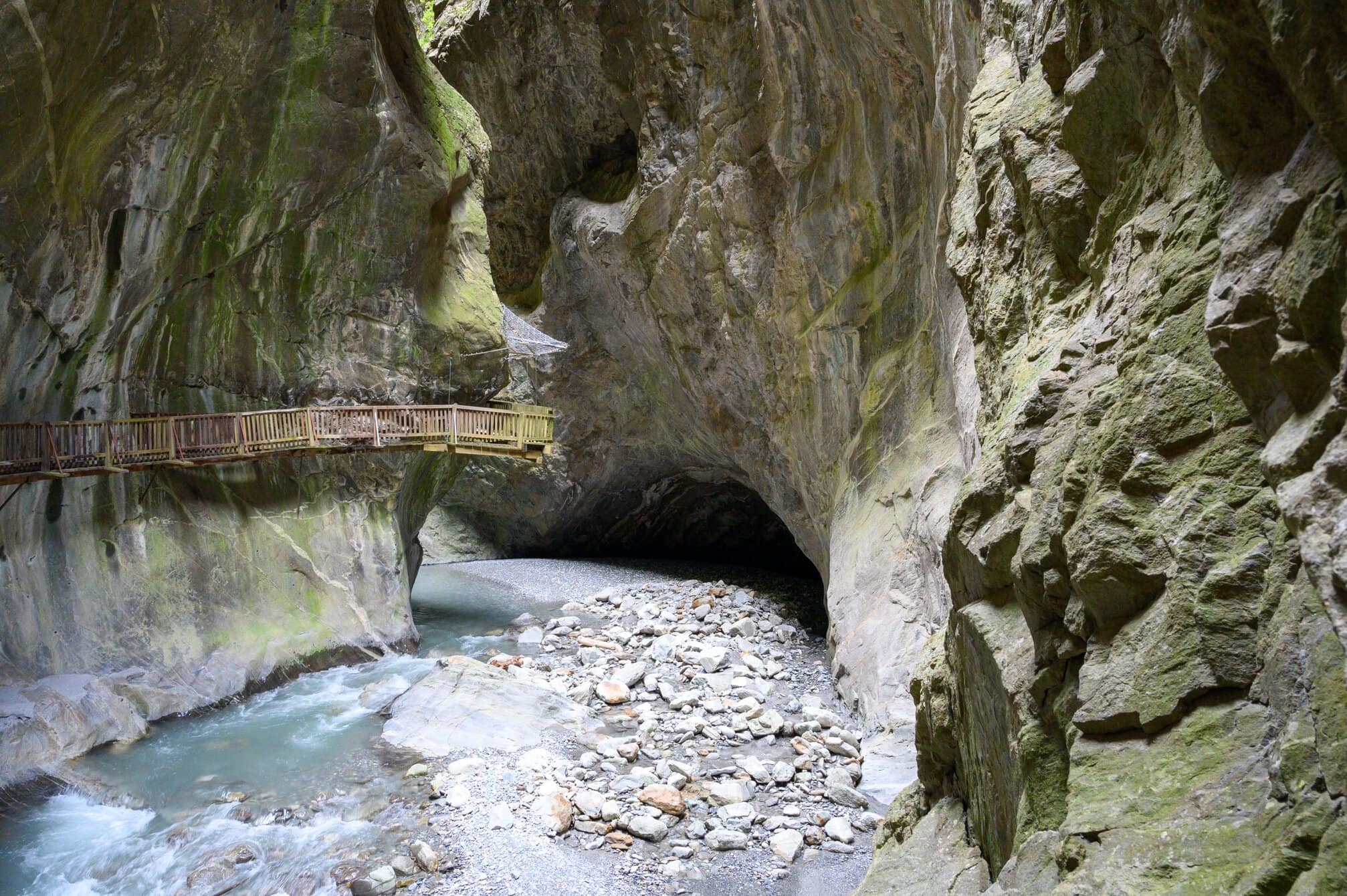
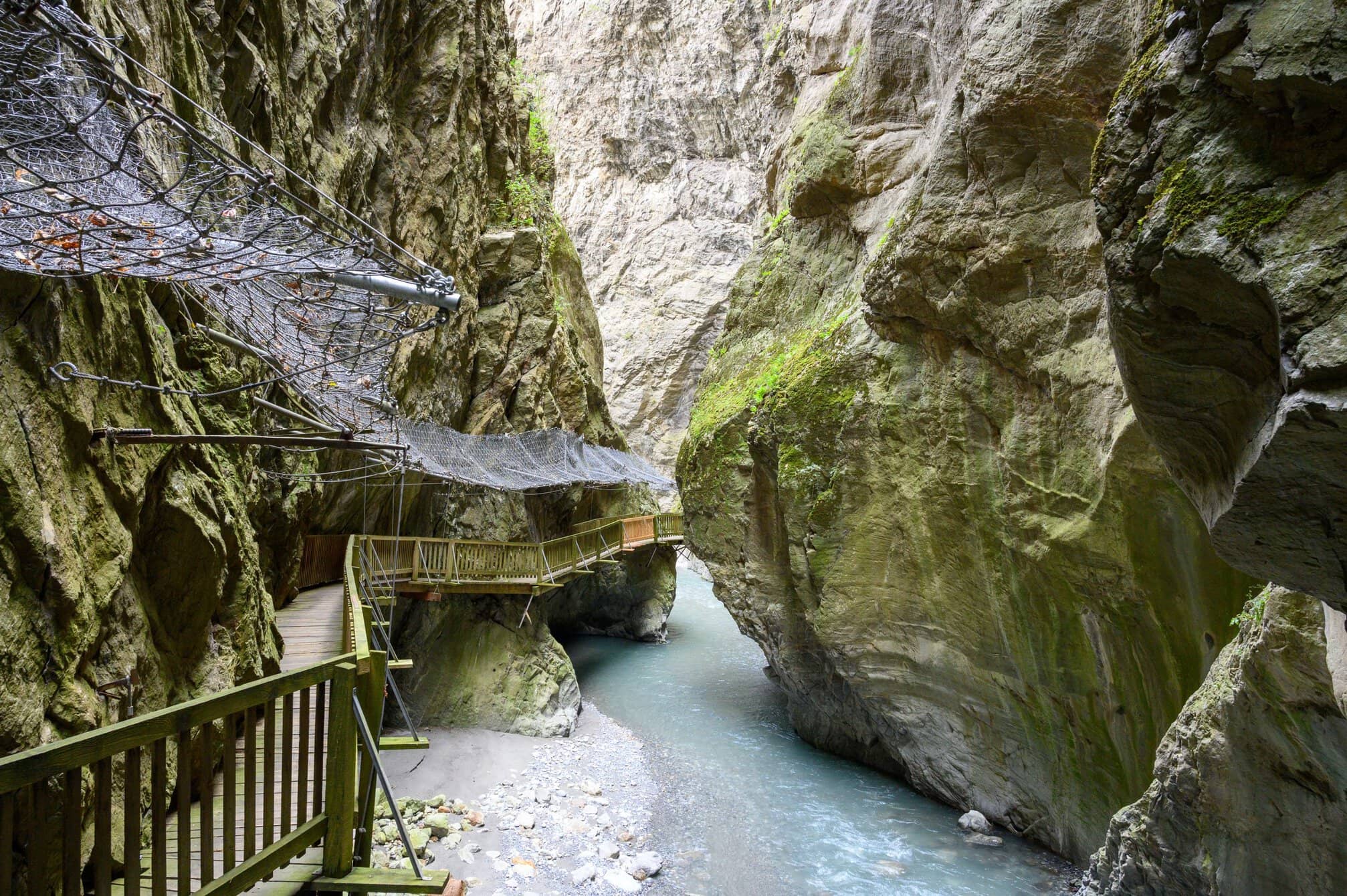
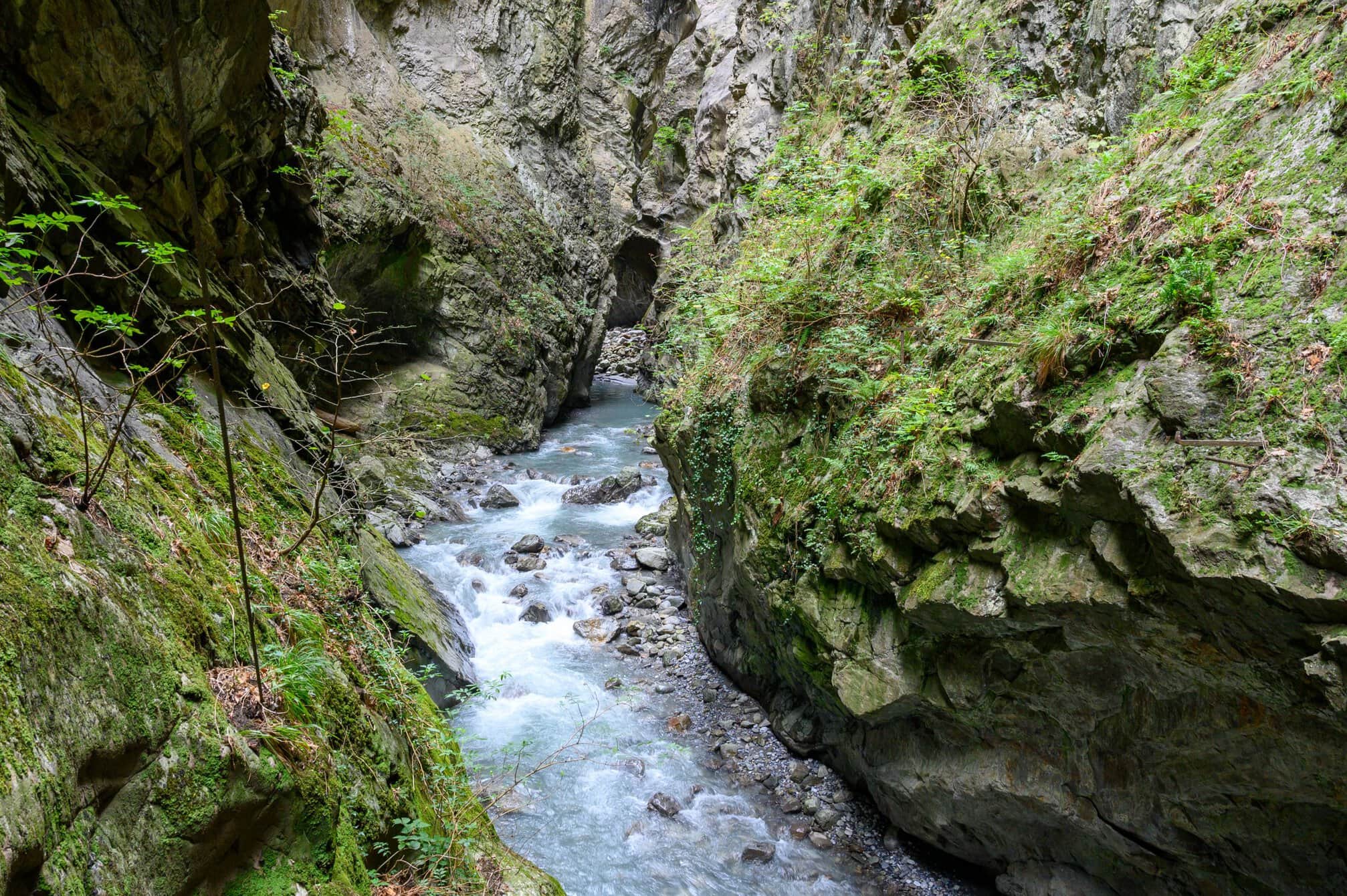
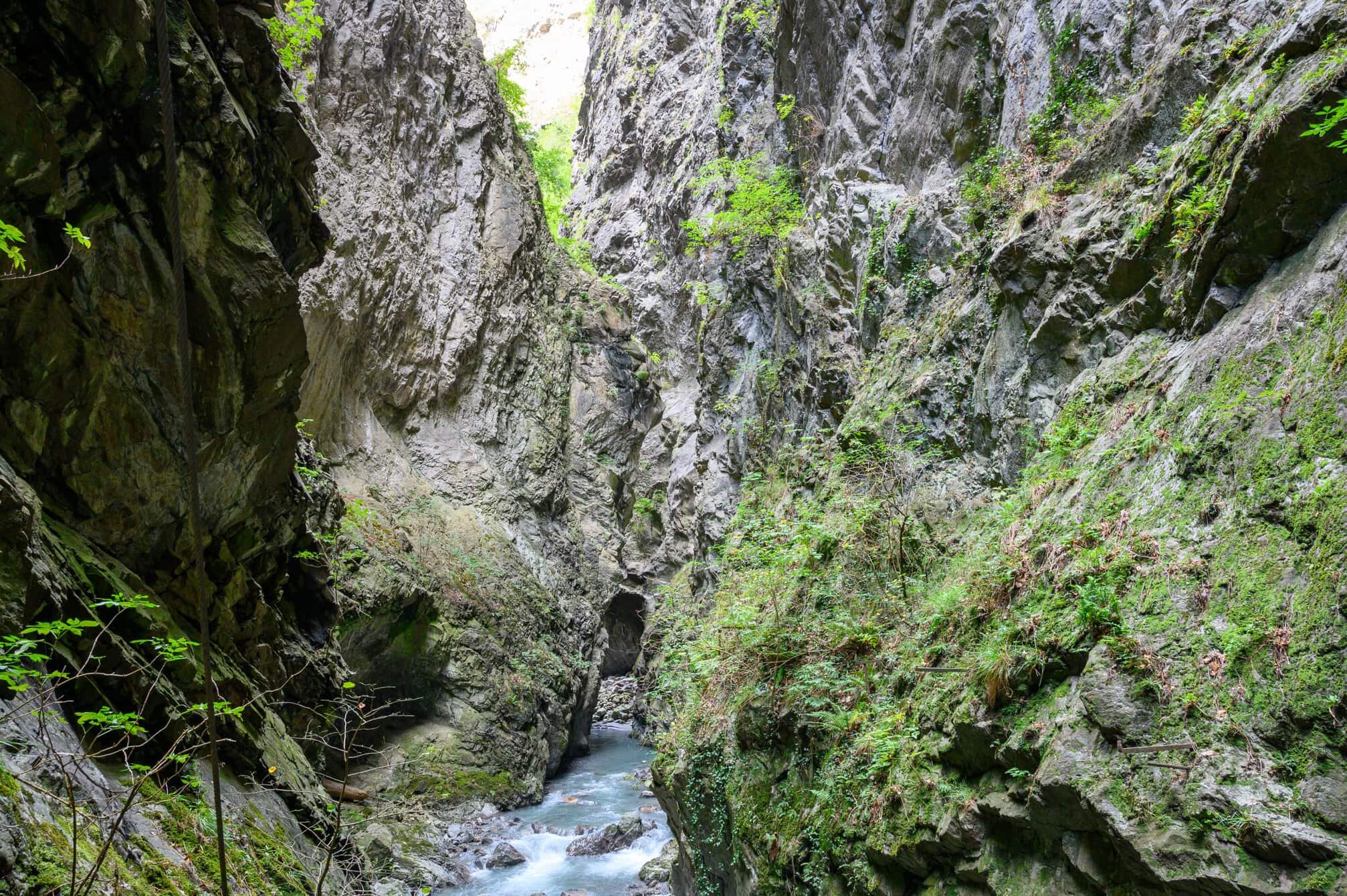
I decided to take a break and eventually worked out that the florist sold tickets. I bought a ticket, (8CHF) and walked along the wooden boardwalk hanging on the side of the cliff further into the gorge. It was a fairly short walk into the gorge, which was pleasant more than spectacular.
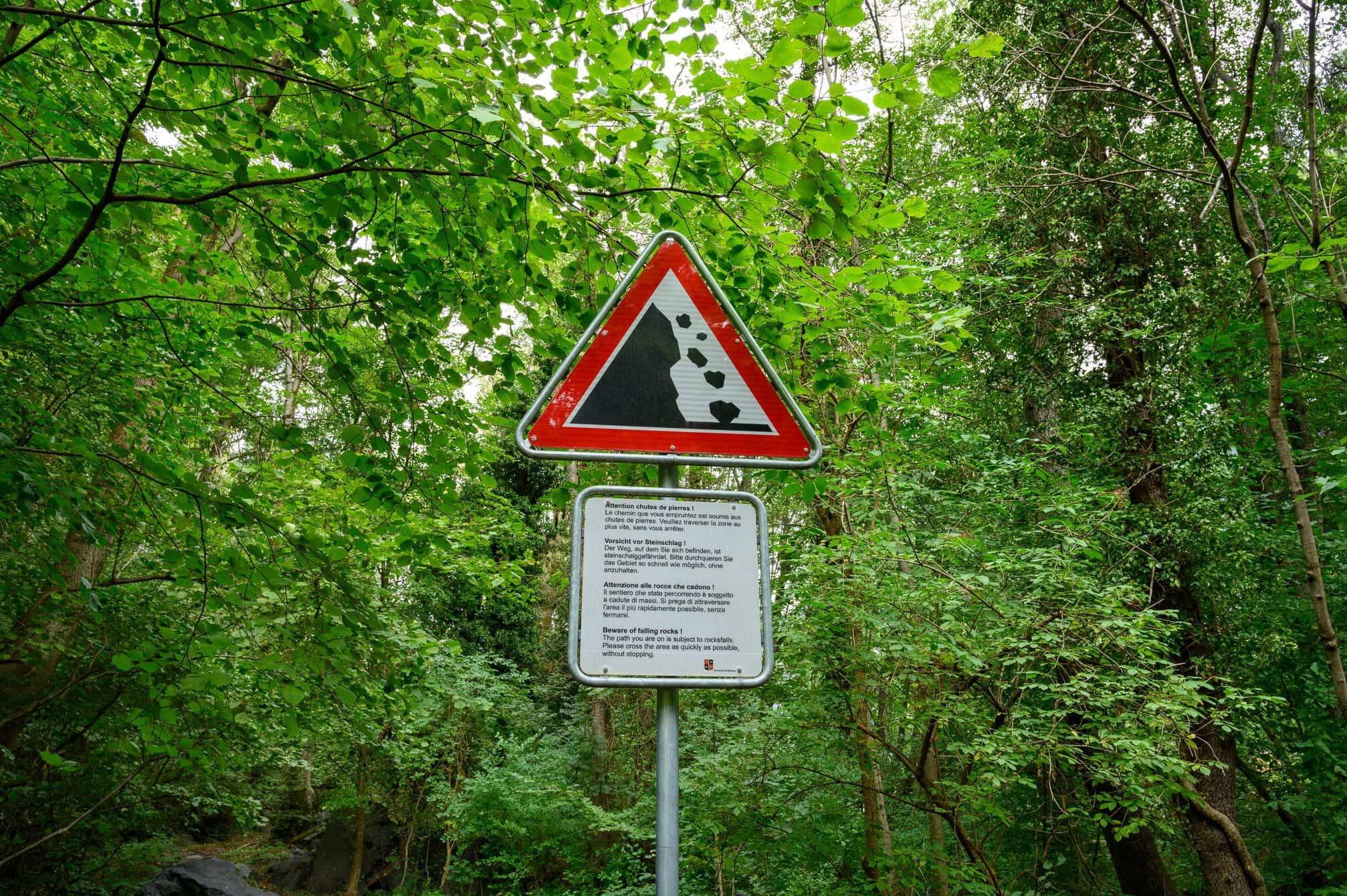
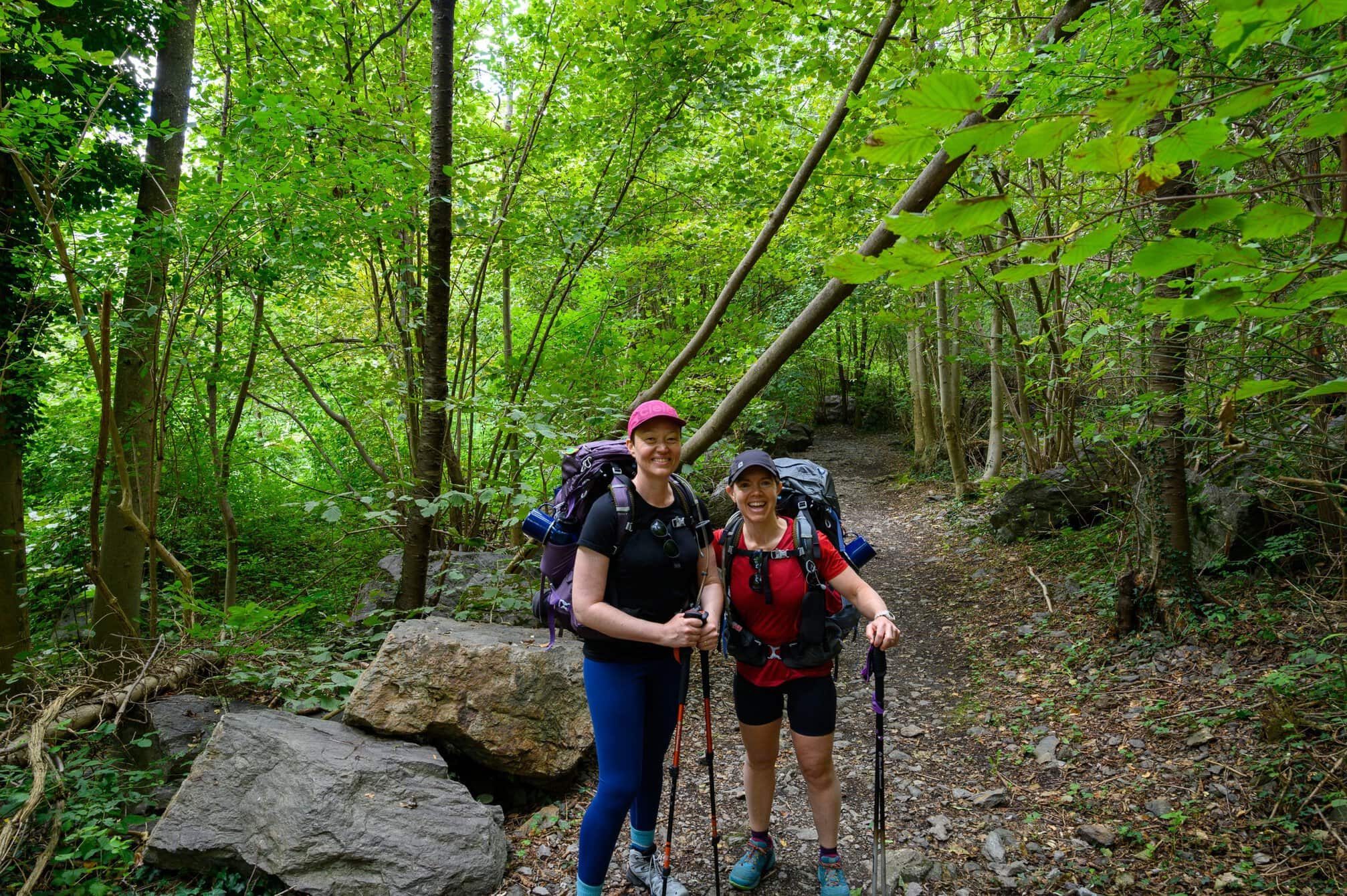
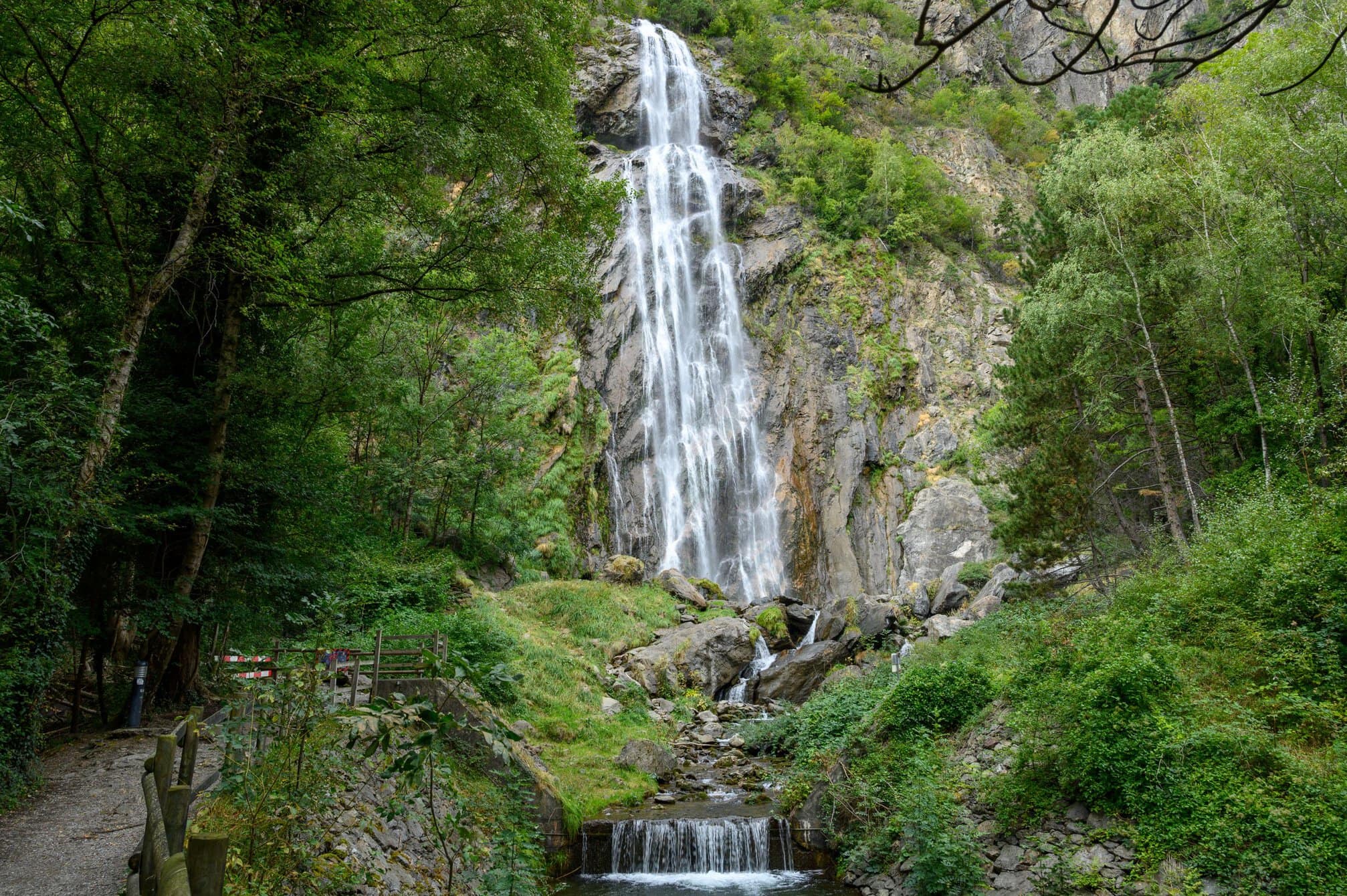
The Dranse canal had now joined the Rhone, and the next kilometers were along a path with the Rhone on my right hand – with the A7 motorway in between – and a forested hill to my left. I met a couple of Australian girls on their way to Rome. I stopped at a waterfall, Pissevache, hidden by trees from the path I was on, so I almost missed it.
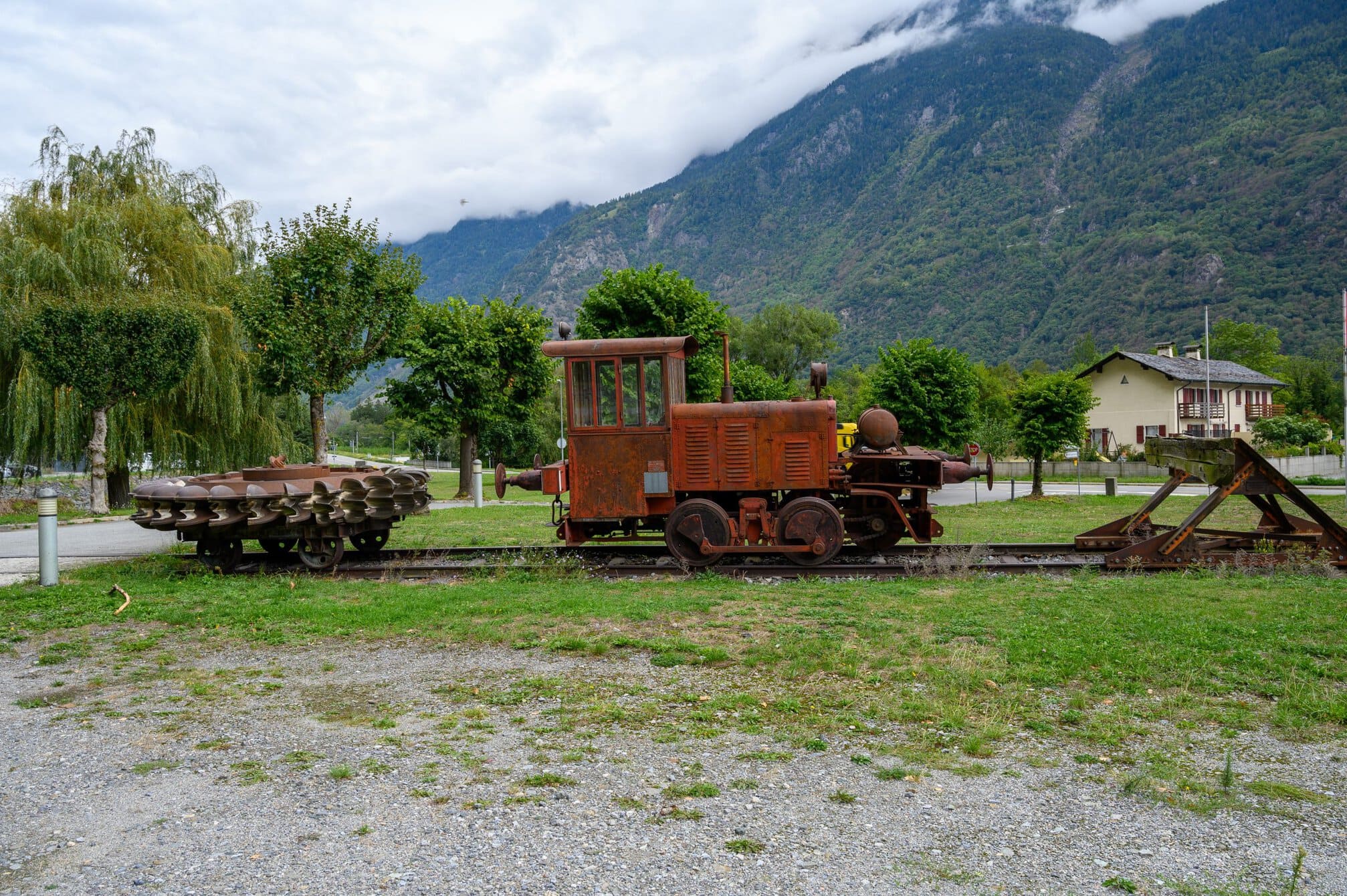
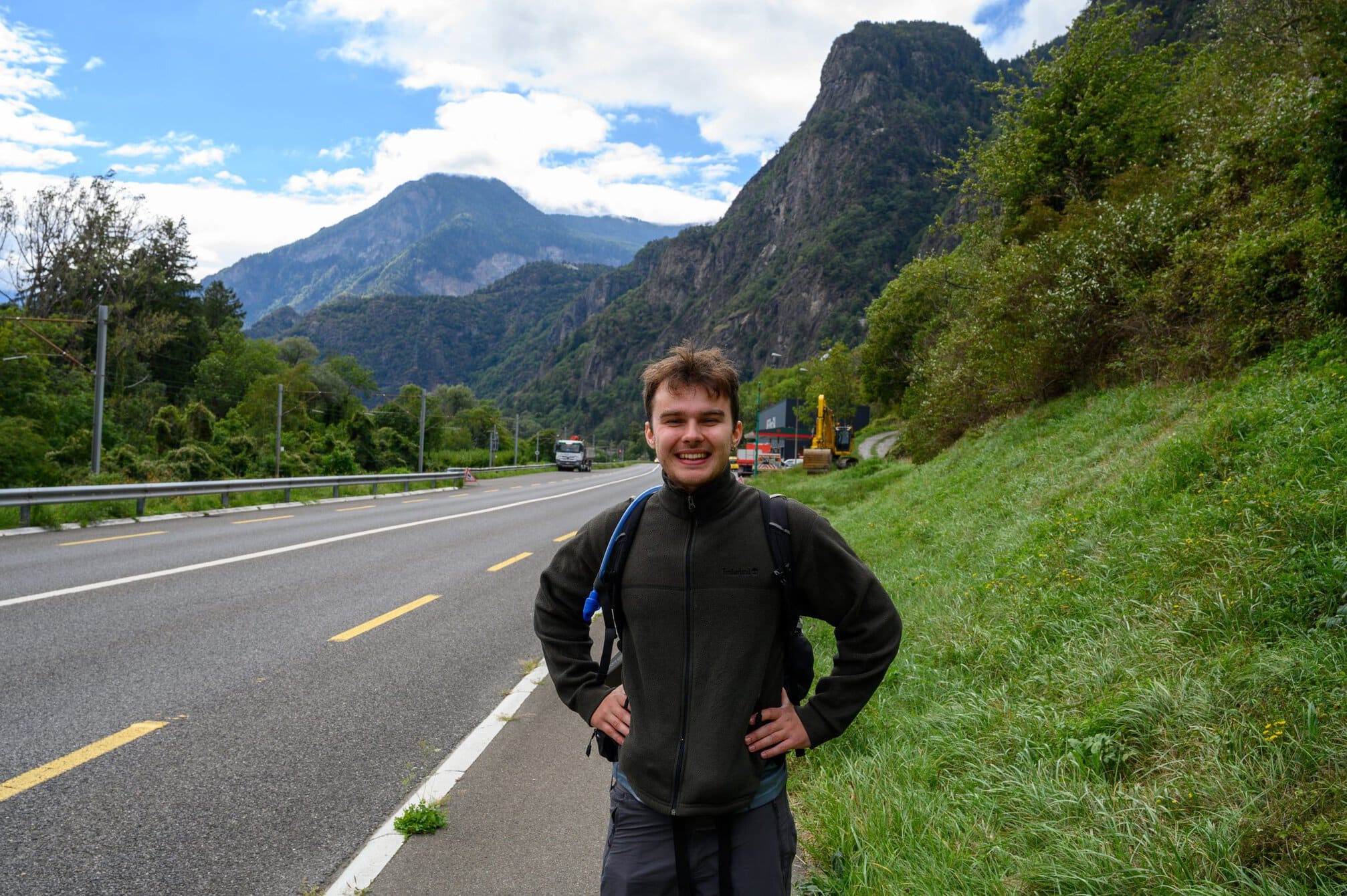
Back on a path next to a main road I met an English guy from Bath and we had a good chat. Next up a family of 3 passed, before back in the forest, I met a guy from Holland walking from Lausanne to Pavia.

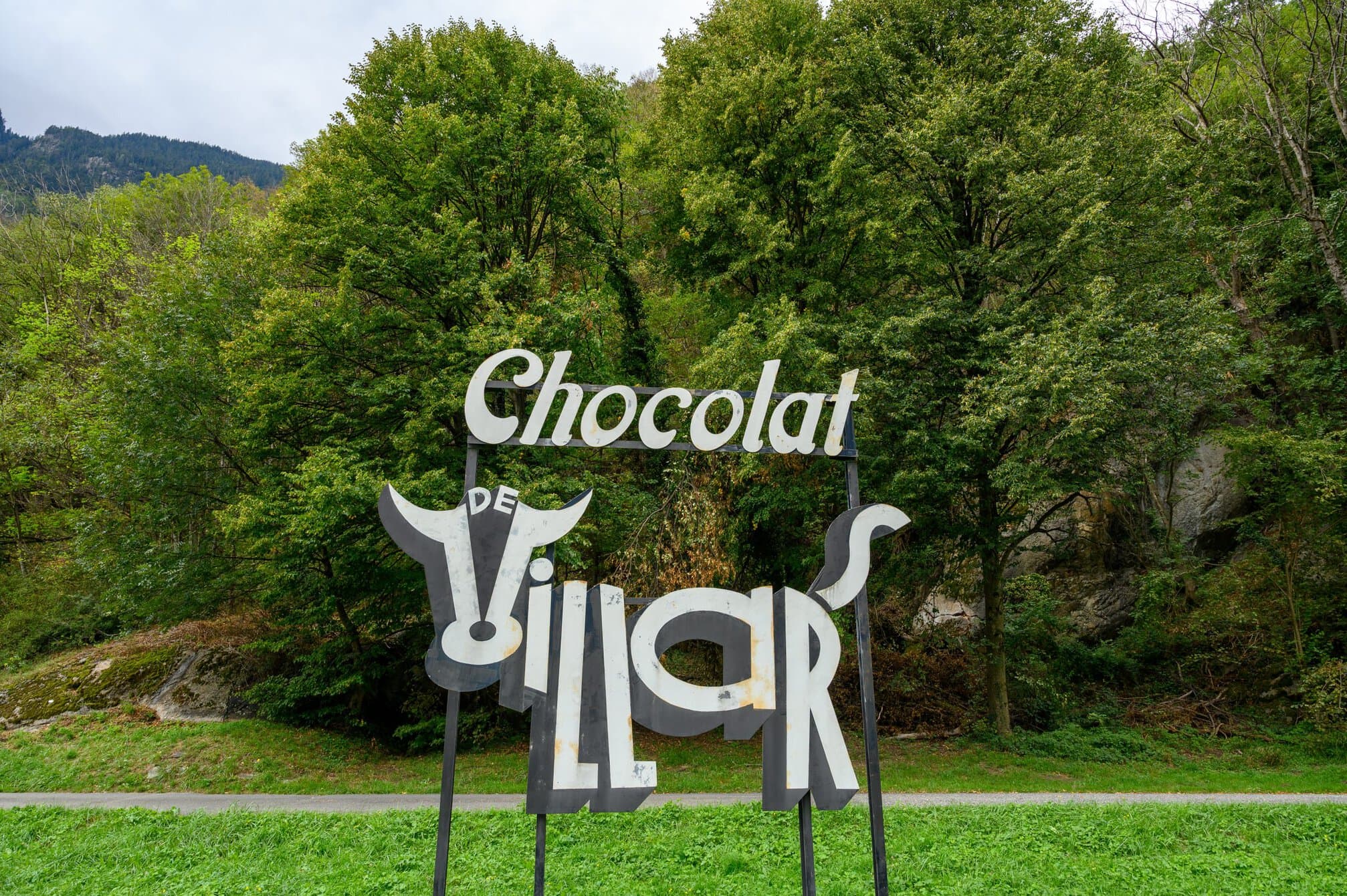
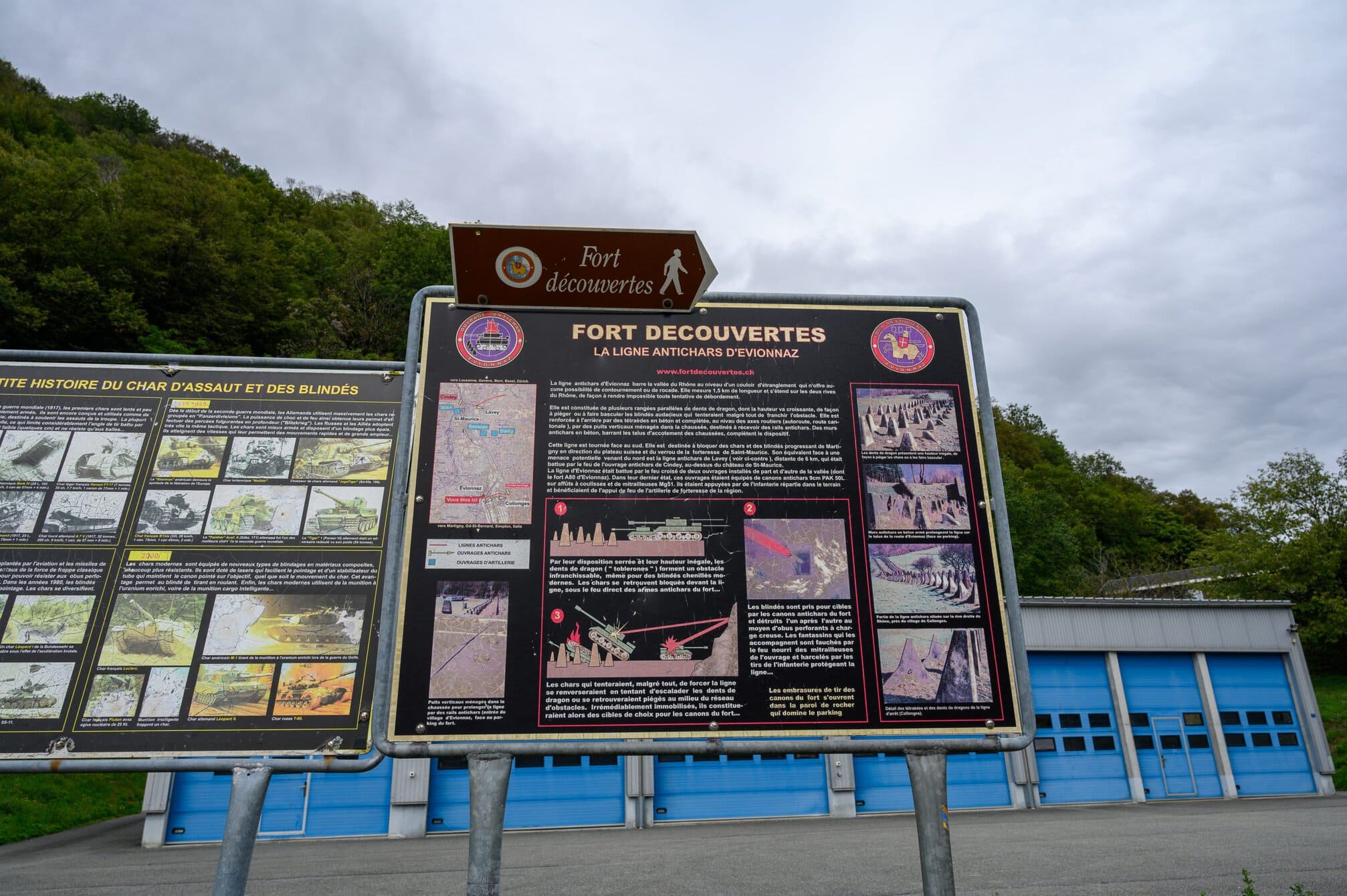
The rest of the day I was walking mainly in the valley, passing small villages. It was relatively flat, with one small climb.
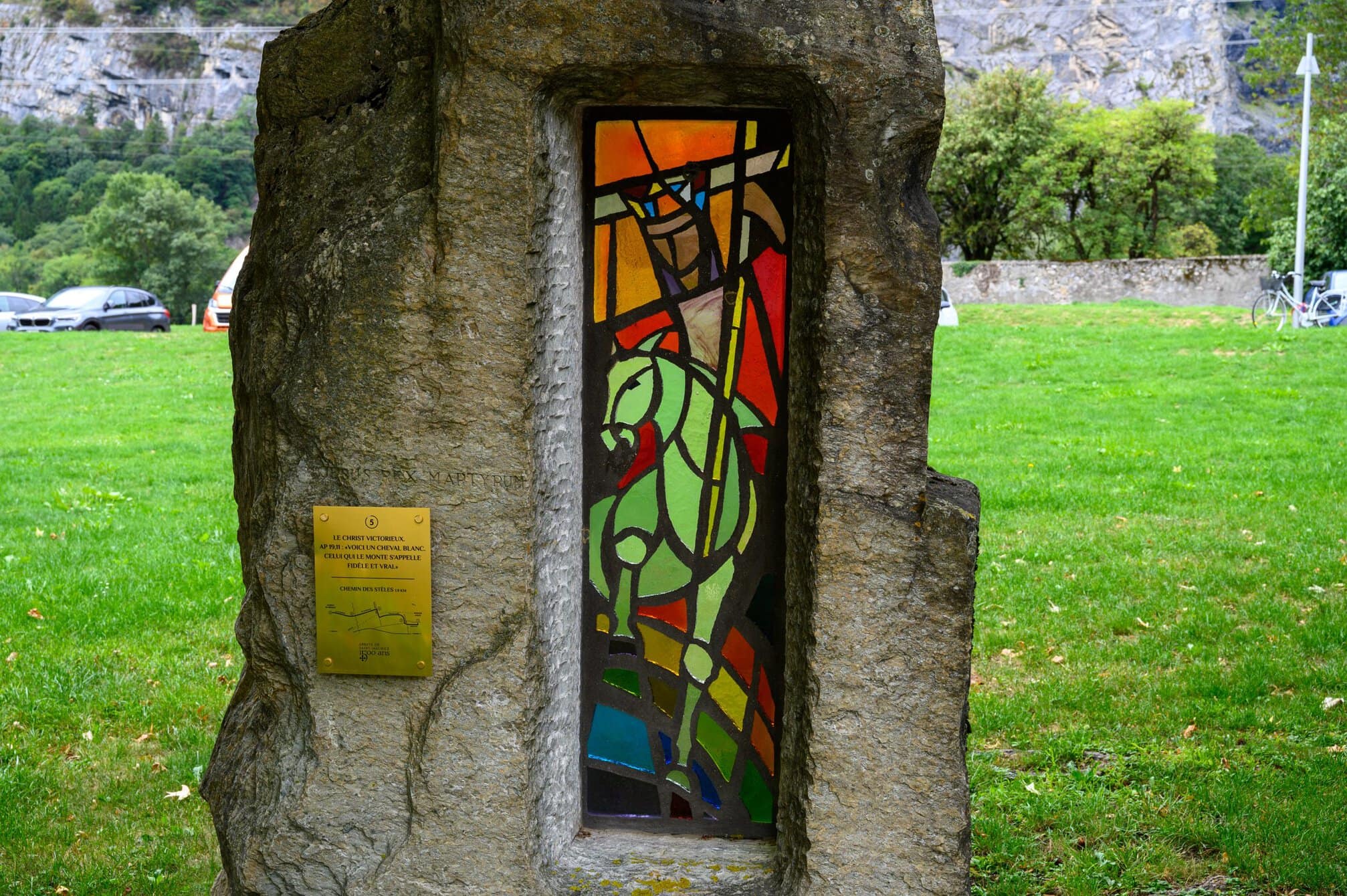
A few kilometers from Saint Maurice I passed the Tomb of Saint Maurice. Saint Maurice was a 3rd-century Egyptian military leader and commander of the legendary Christian Theban Legion who was martyred for refusing to worship pagan gods or persecute fellow Christians. I saw the tomb, but didn’t take a picture.
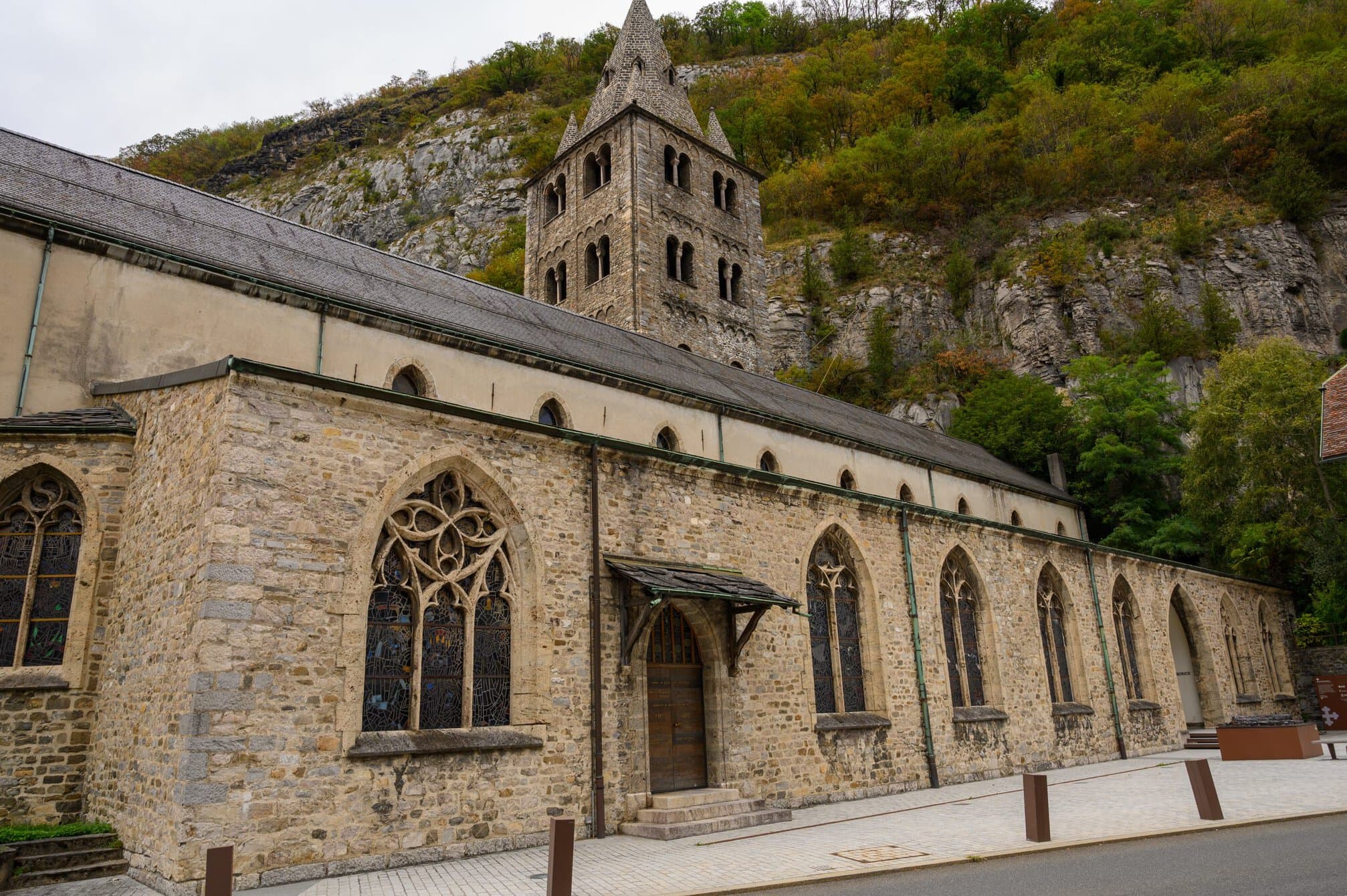
I arrived at the railway station in Saint Maurice at around 3pm, before finding my lodging close to the station. I dropped off my stuff and took a look around town, not that there is a lot to see beyond its main attraction, the Abbey of St. Maurice d’Agaune.
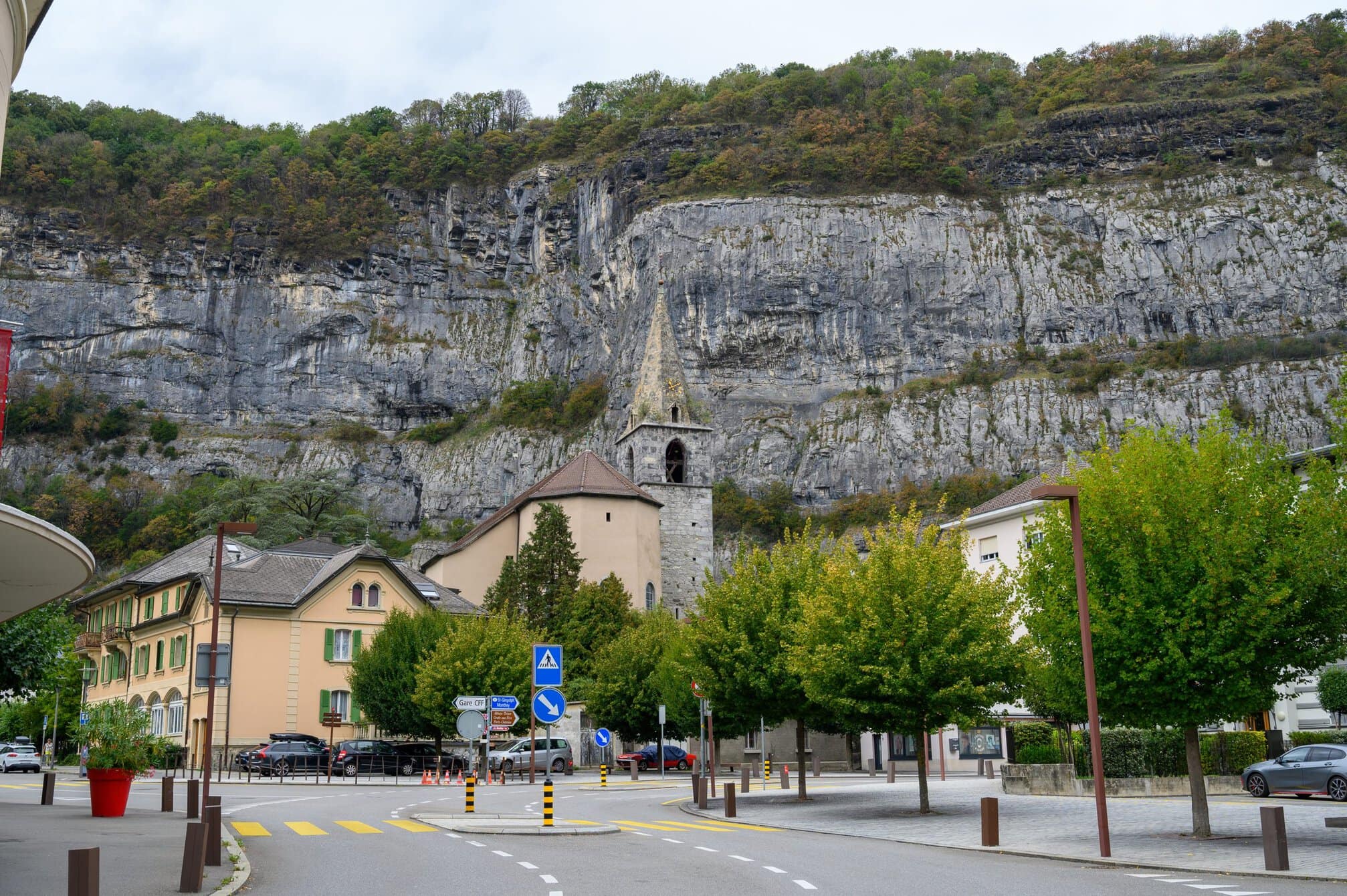
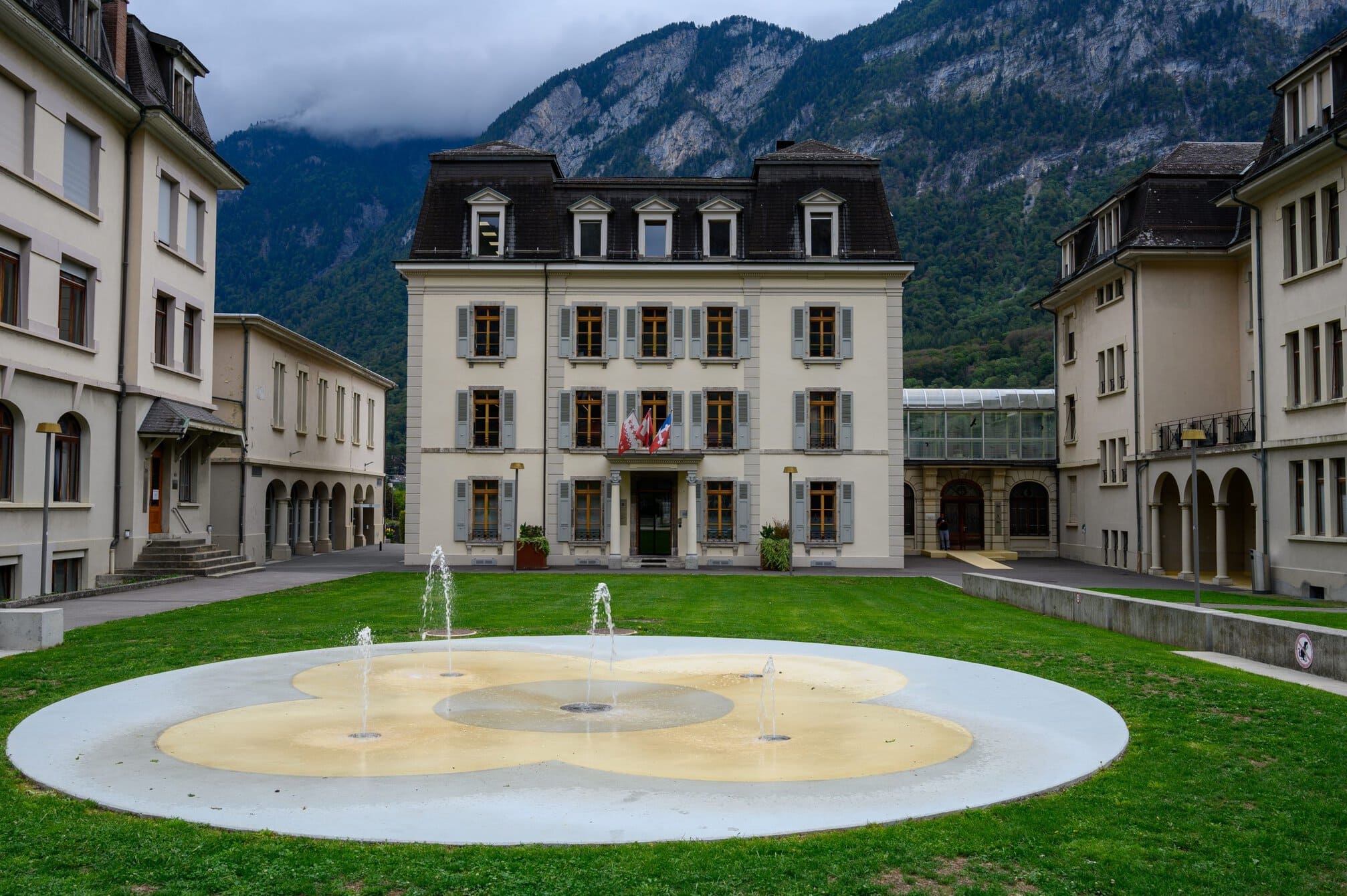
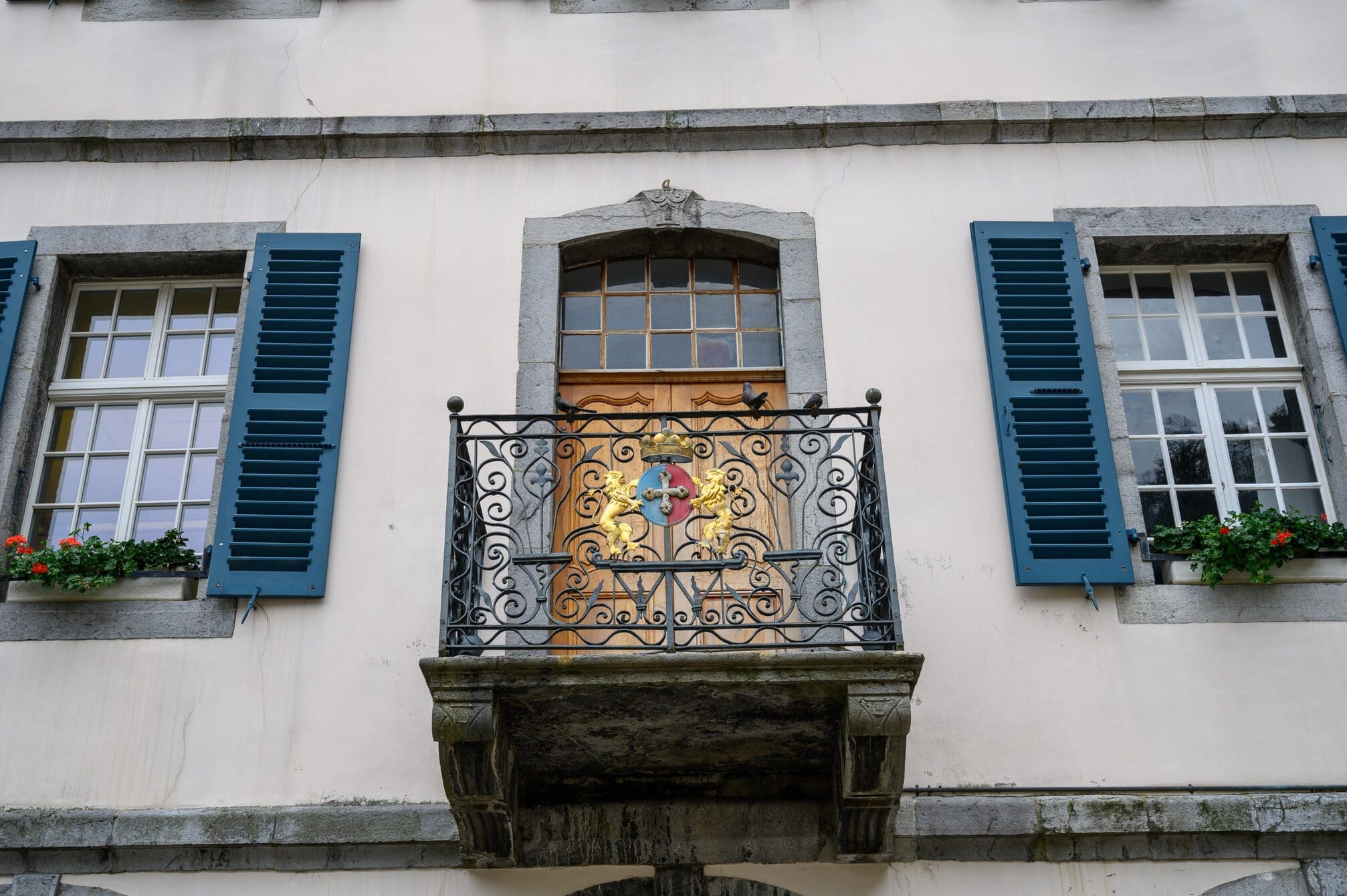
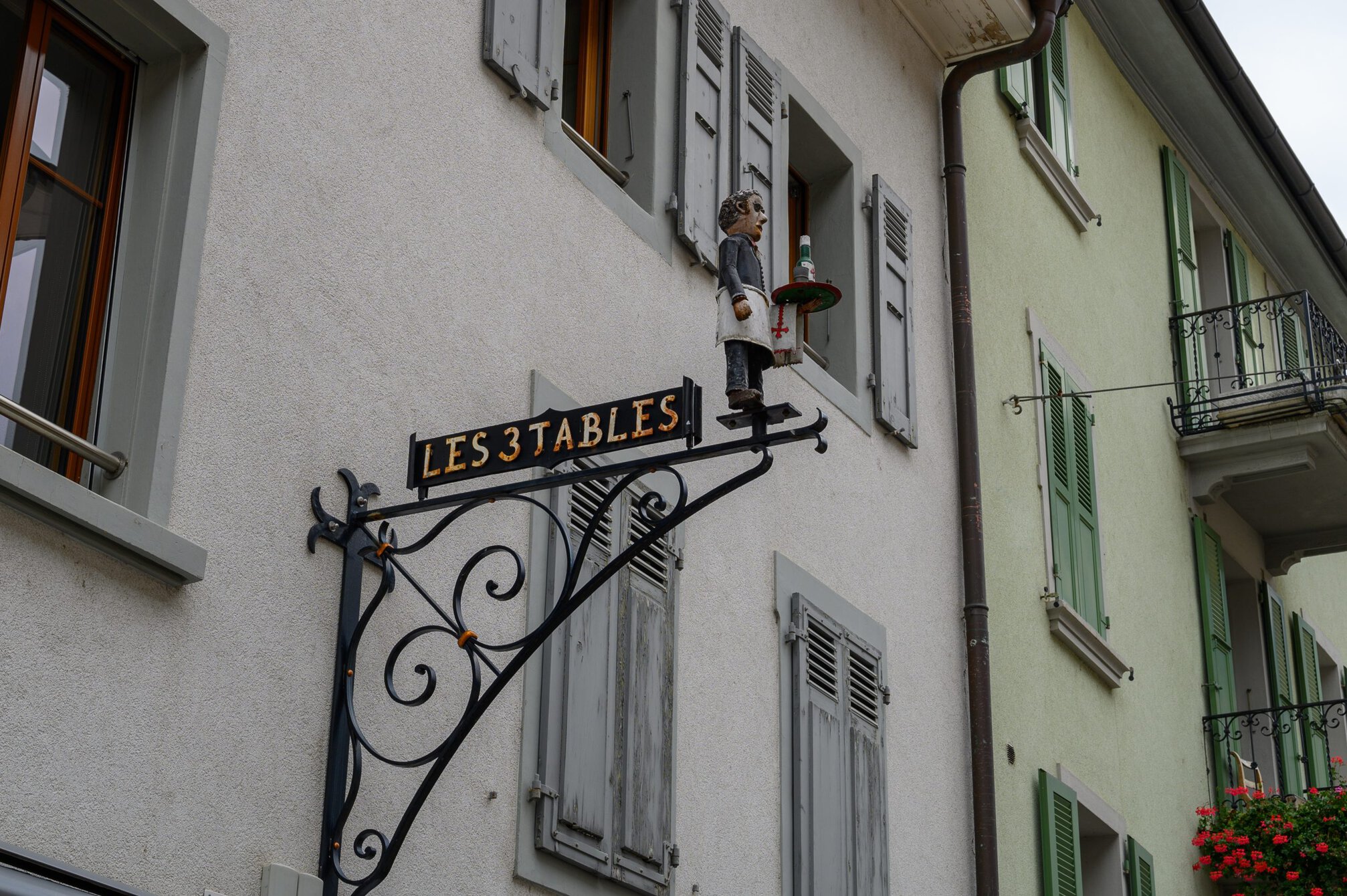
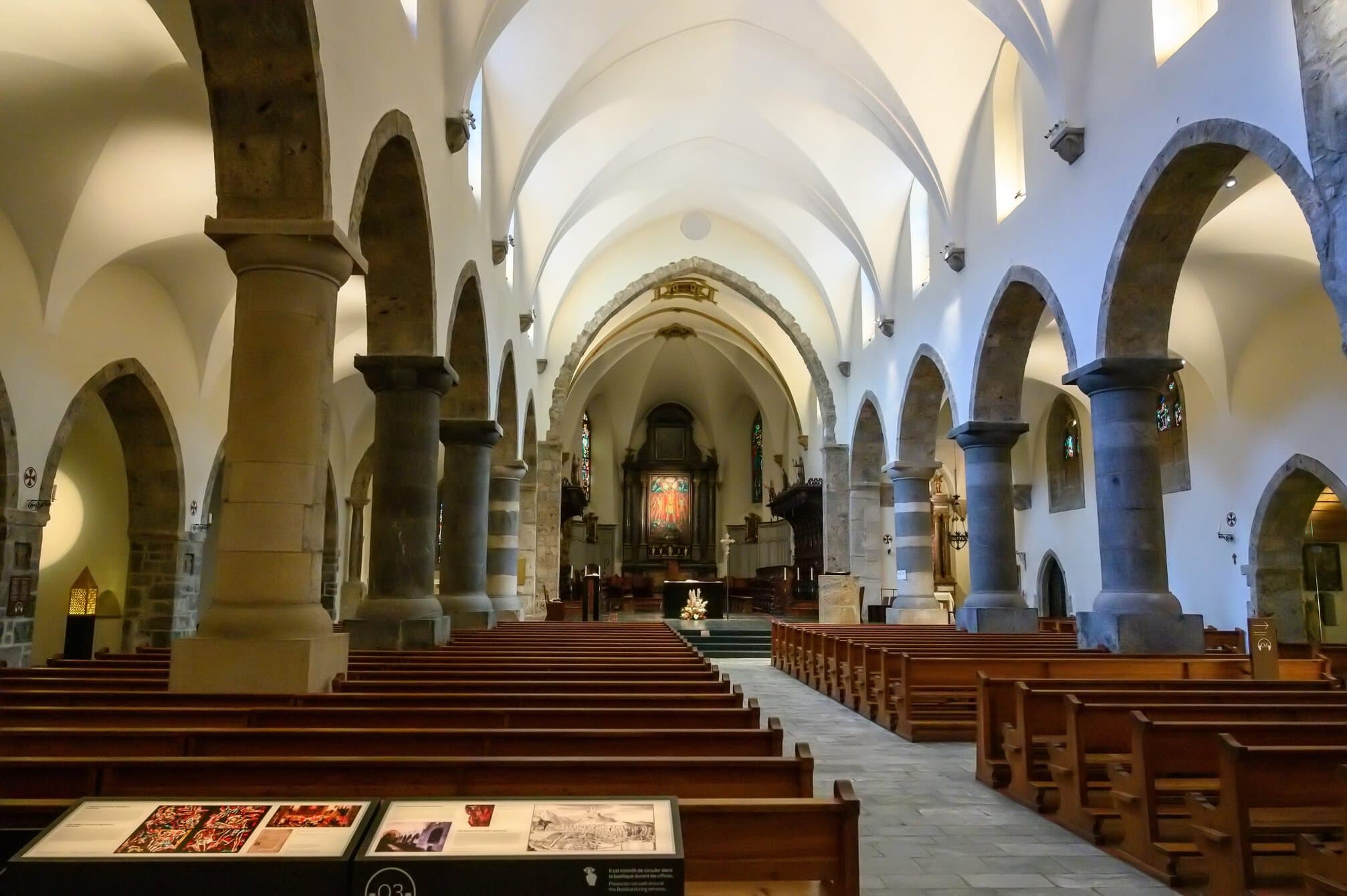
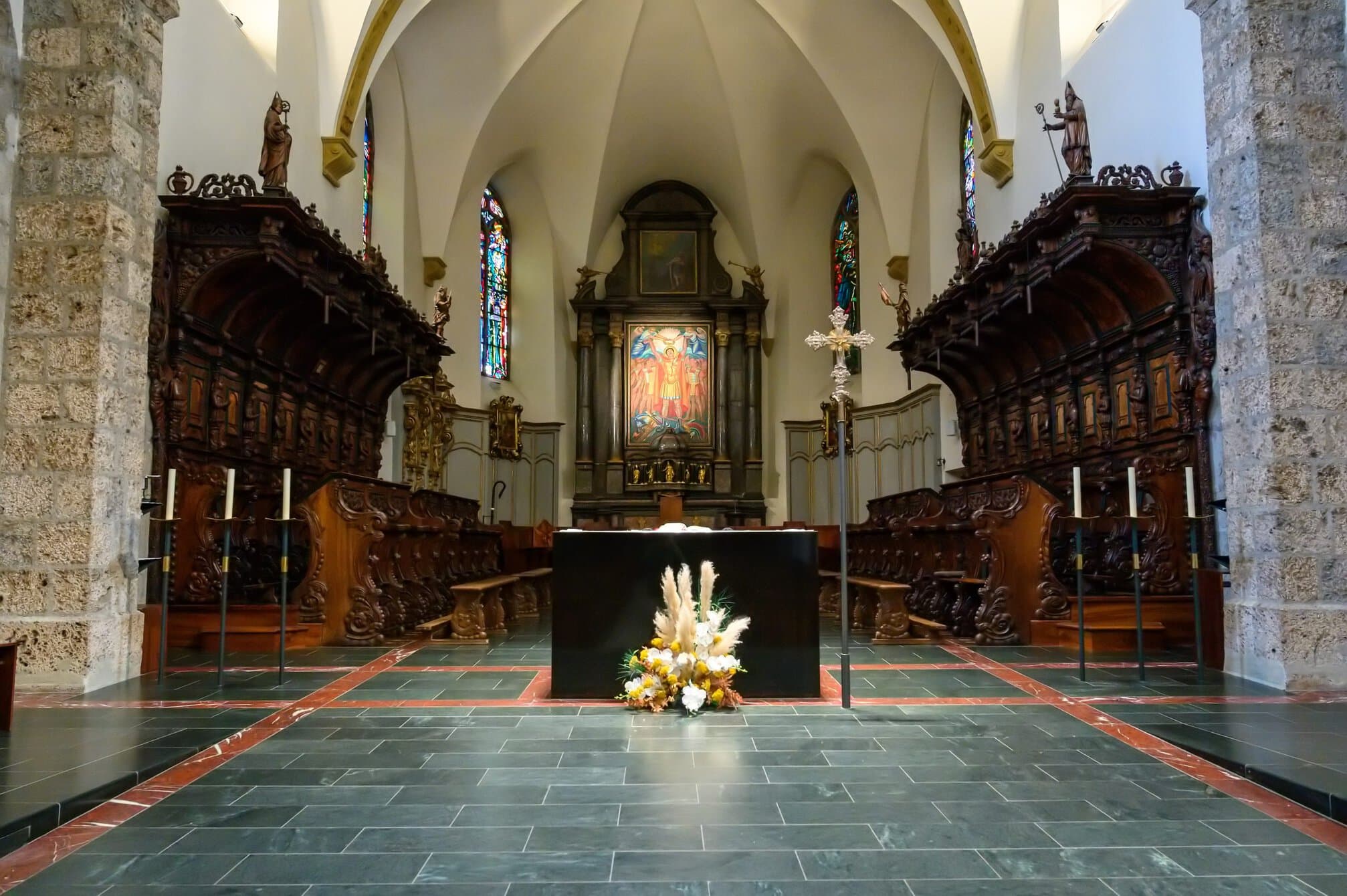
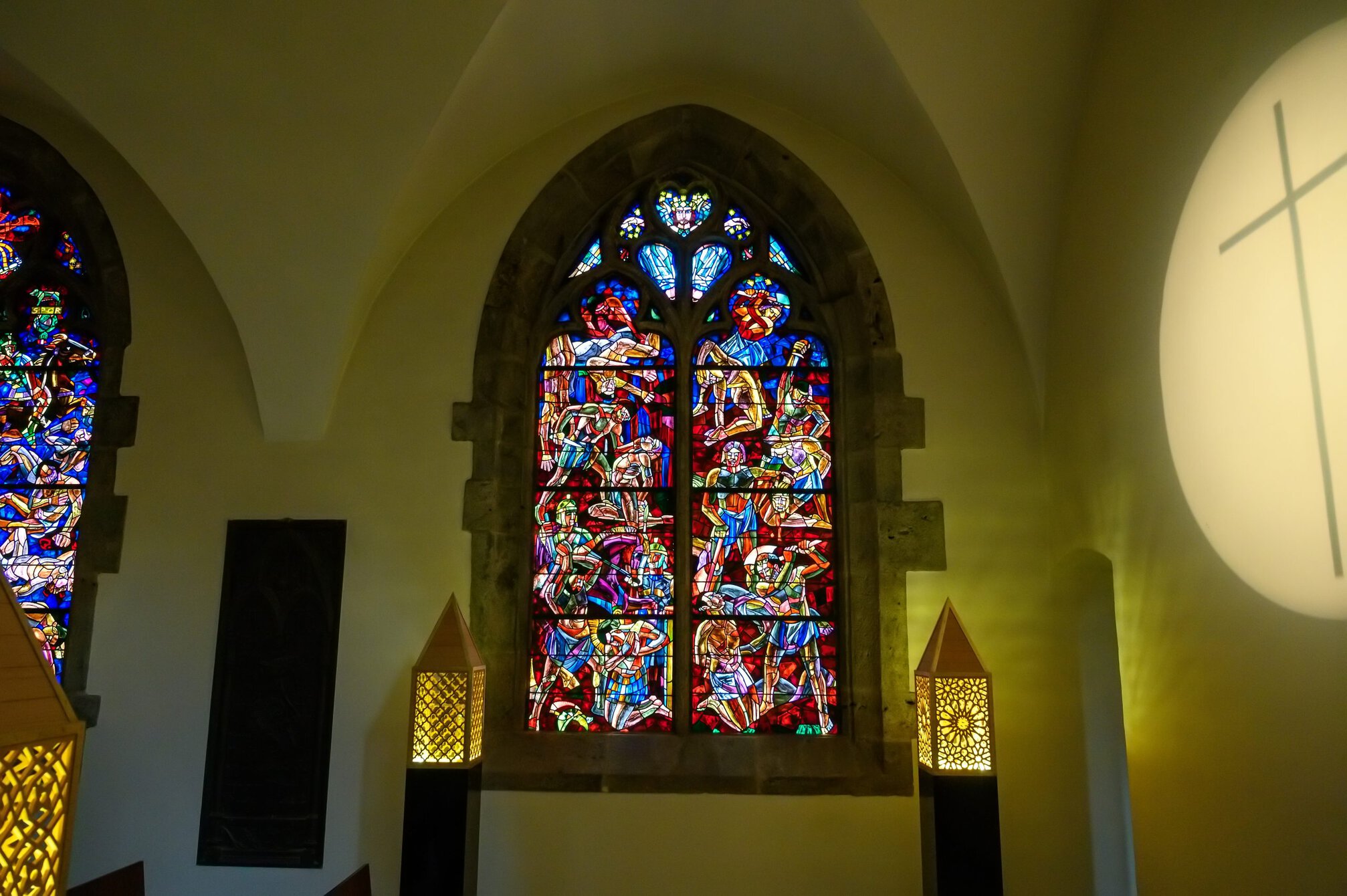
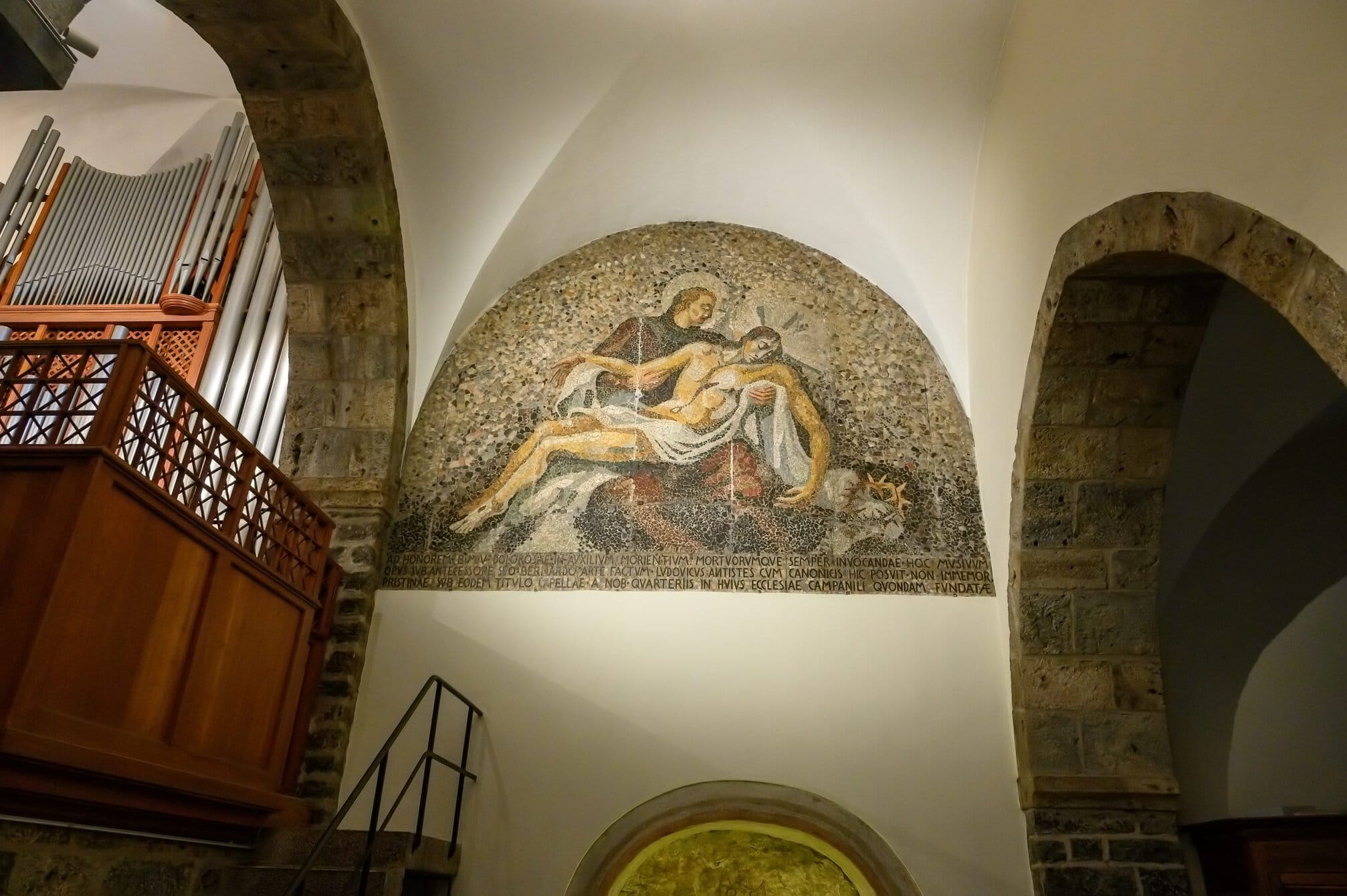
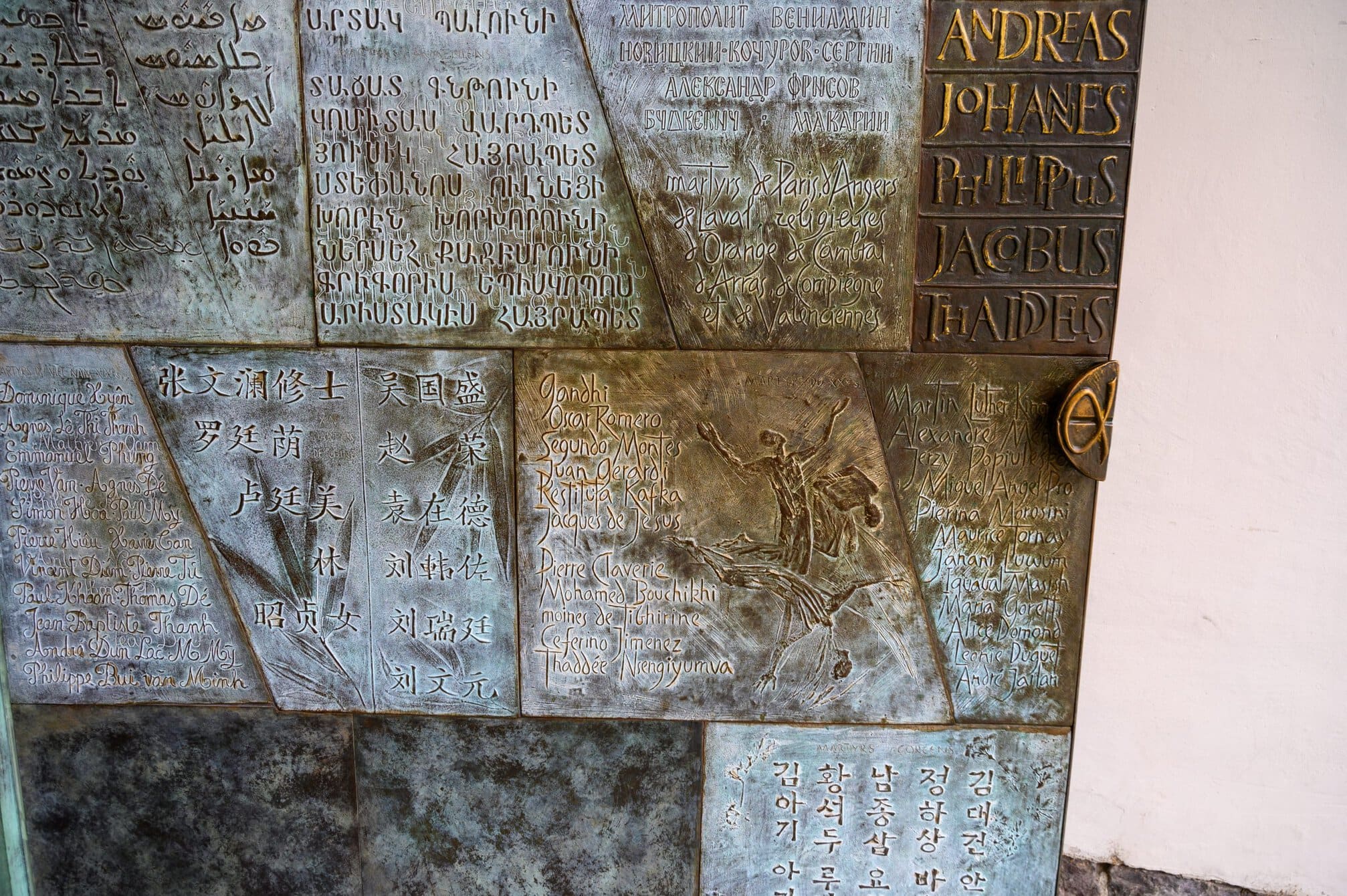
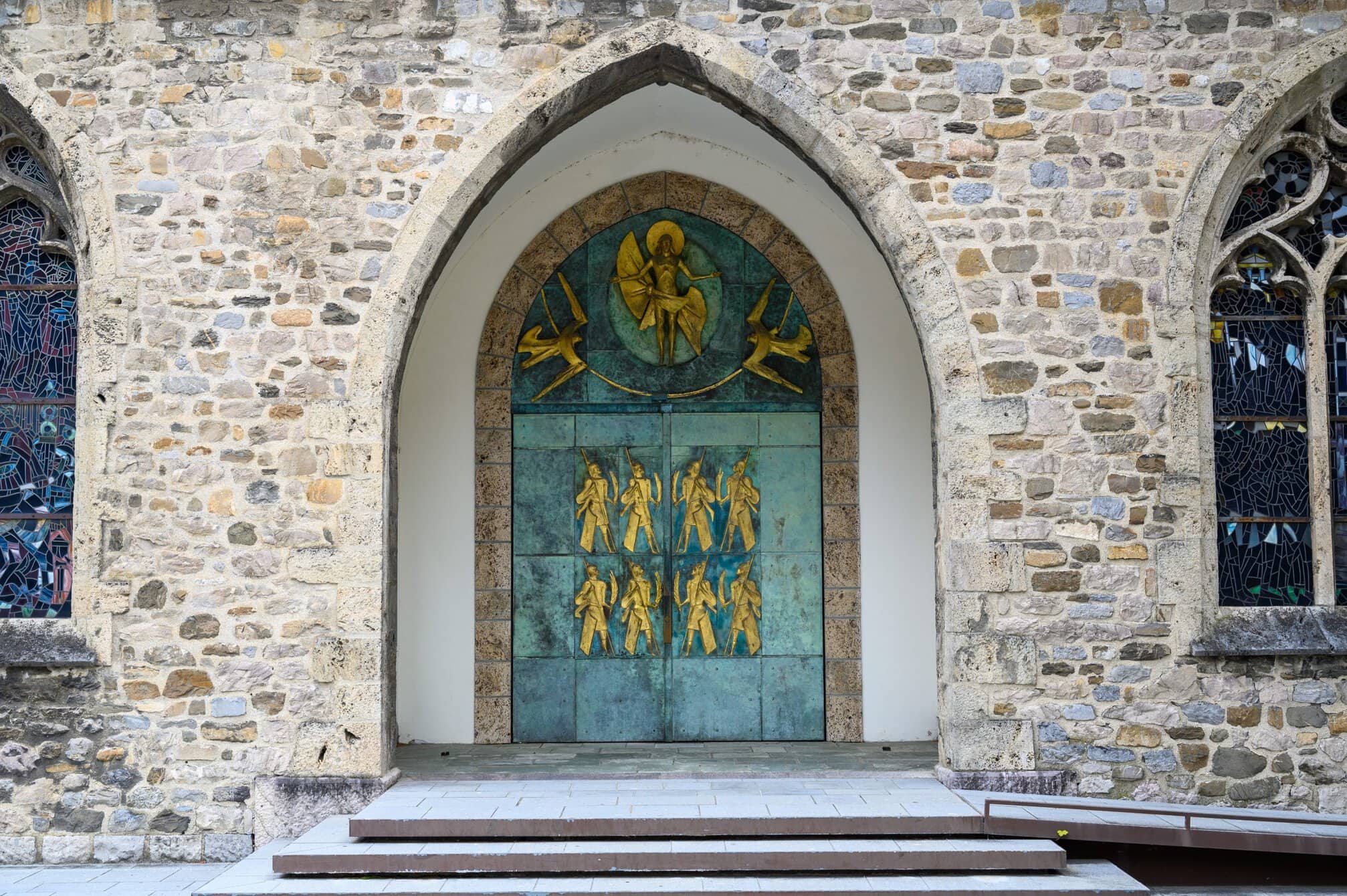
Aguanum, a place of worship since ancient Celtic times, was renamed Saint-Maurice after the martyrdom of the Theban Legion at the turn of the 4th century. Founded in the year 515, the Abbey of St. Maurice in Valais is the oldest Christian monastery in the Western world to have existed without interruption in its original location. The canons have continued their Laus Perennis – perpetual prayer – day after day, for the last 1,500 years. I visited the main church which is beautiful inside.
I stopped at a conditory for cake and coffee before heading back to the hotel where I also had dinner.
A pleasant day and my legs appreciated a shorter walk.